Intensive rehabilitation (bootcamp) or weekly therapy
Intensive rehabilitation, weekly therapy, or both.
A bootcamp is one to four weeks of daily therapy to focus on a single goal and achieve measurable progress in a short time. It is intense and can be very rewarding. Weekly therapy is usually one to three sessions a week, or one session every two weeks if that suits you better, and maintains and improves function gradually over time. Together, we discuss which one to start with in the free assessment.
Short and intense
Intensive rehabilitation (bootcamp)
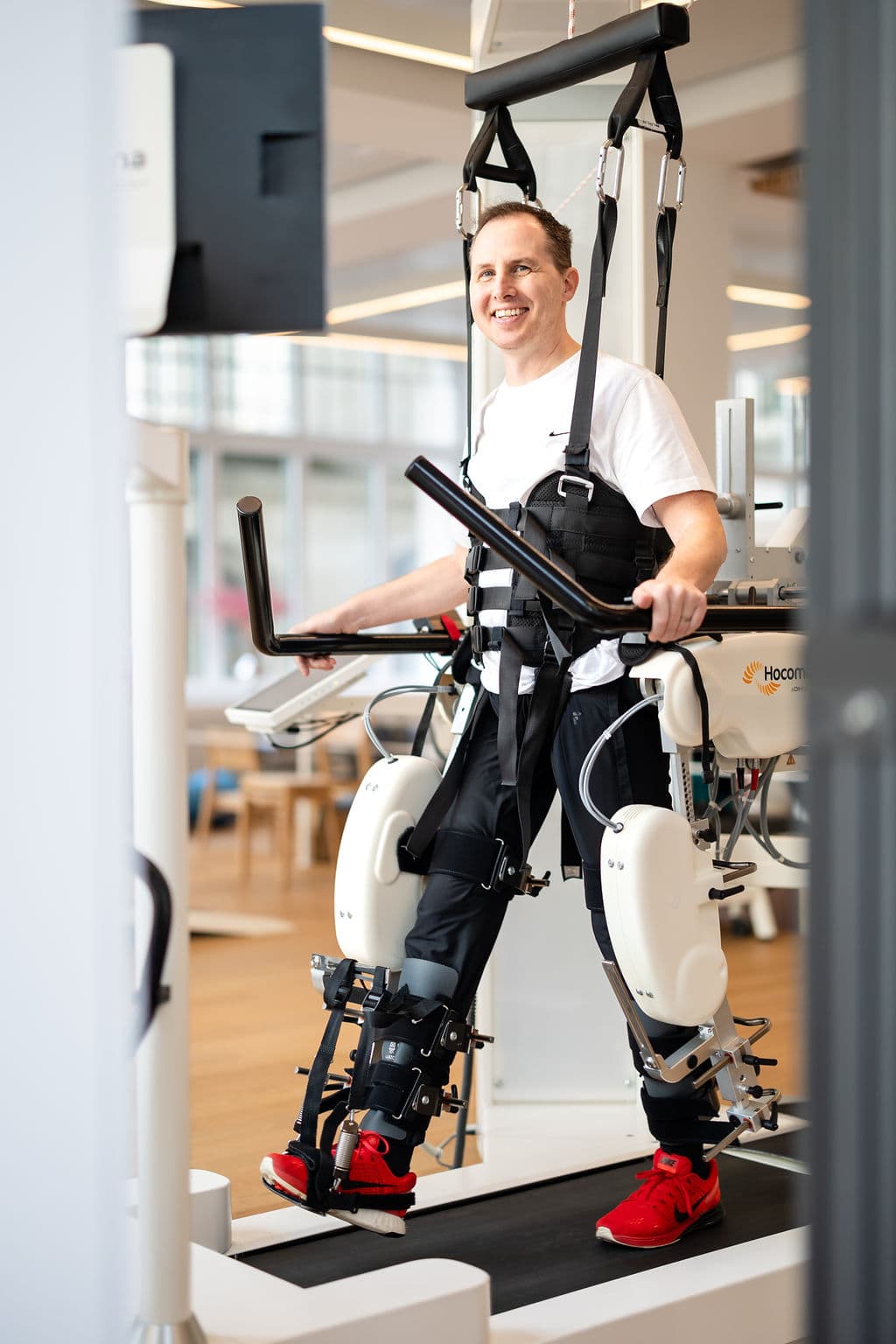
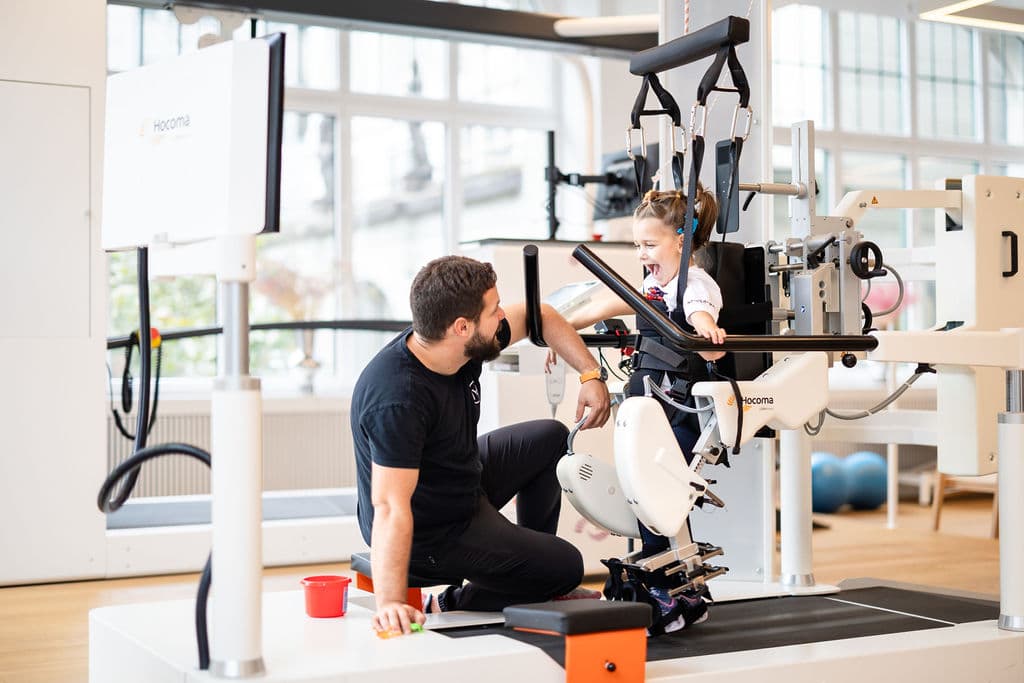
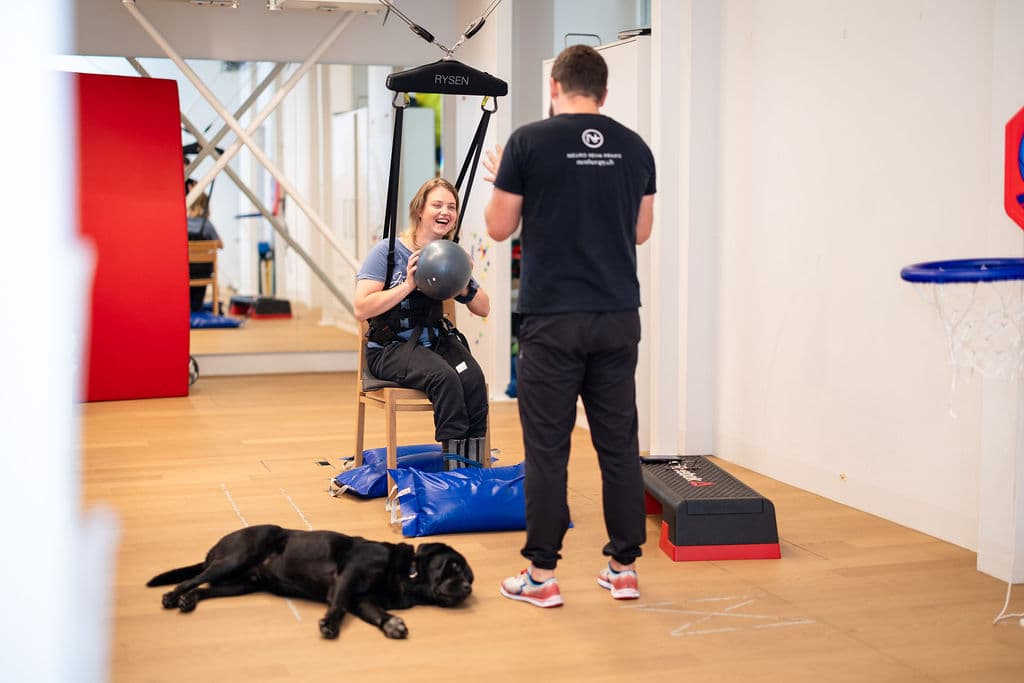
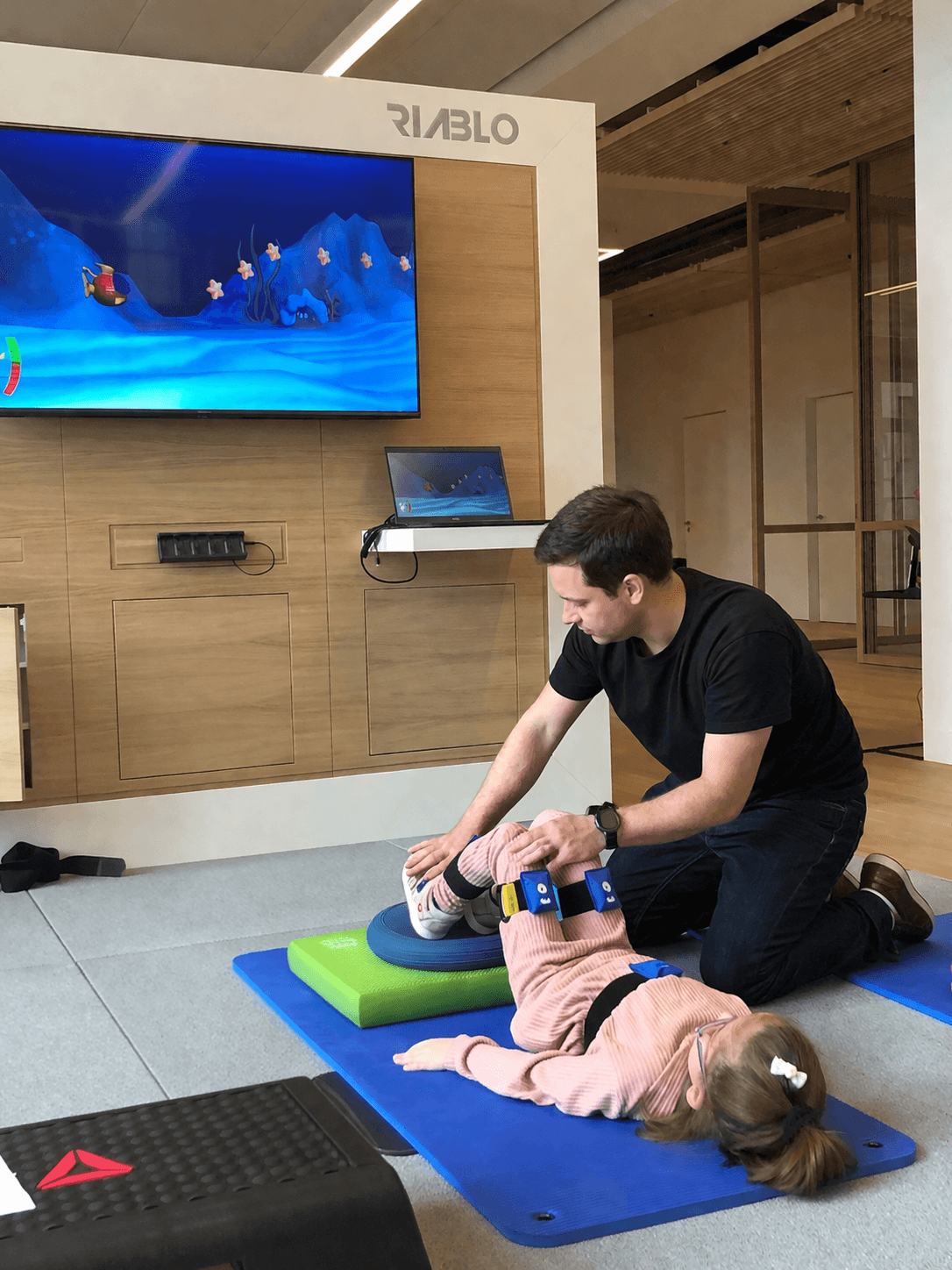
A full therapy day, every weekday, for one to four weeks. Physiotherapy and occupational therapy work on the same goal, with robotic training where it helps. We assess you at the start and again at the end, and in between we work intensively alongside you to reach your recovery goals in a short time. After every bootcamp we send the measurements and the findings to you and your doctor.
- Goal
- A measurable improvement in one clearly defined function
- Length
- 1 to 4 weeks without interruption
- Schedule
- A full therapy day, every weekday, with proper breaks
- Choose it when
- After a diagnosis or an operation, or when progress has stalled. Can be booked in the school holidays.
Ongoing
Weekly therapy
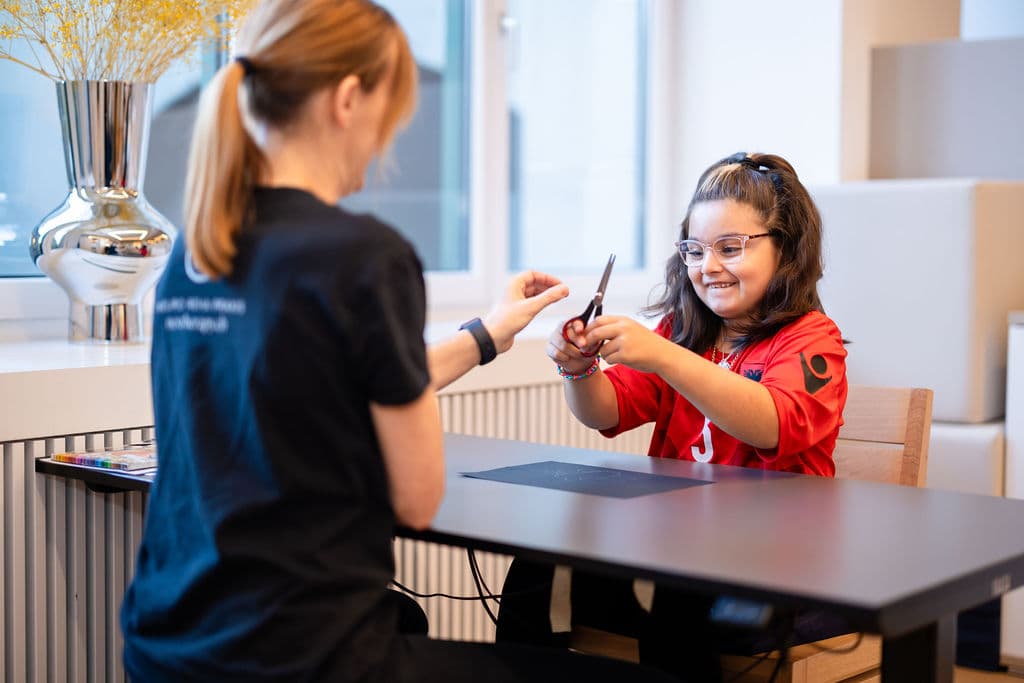
One to three sessions a week, or one session every two weeks, depending on your prescription and your goals, with the same therapists each time. You get exercises to do at home, we measure progress regularly and adjust your treatment plan. We work to your doctor's prescription and review it with them as your goals change.
- Goal
- Your recovery goals, set together with you
- Length
- Ongoing, for as long as it helps, in line with medical and insurance guidelines
- Schedule
- 1 to 3 sessions a week, or every two weeks, as prescribed
- Choose it when
- As regular training towards your goals. Also after a bootcamp.
The science
Why Intensity Drives Recovery
Recovery is driven by high-dose, task-specific repetition.
Higher intensity → stronger neural signal → greater potential for functional recovery
Clinical Principles
Six principles that guide everything we do
Intensity above all else
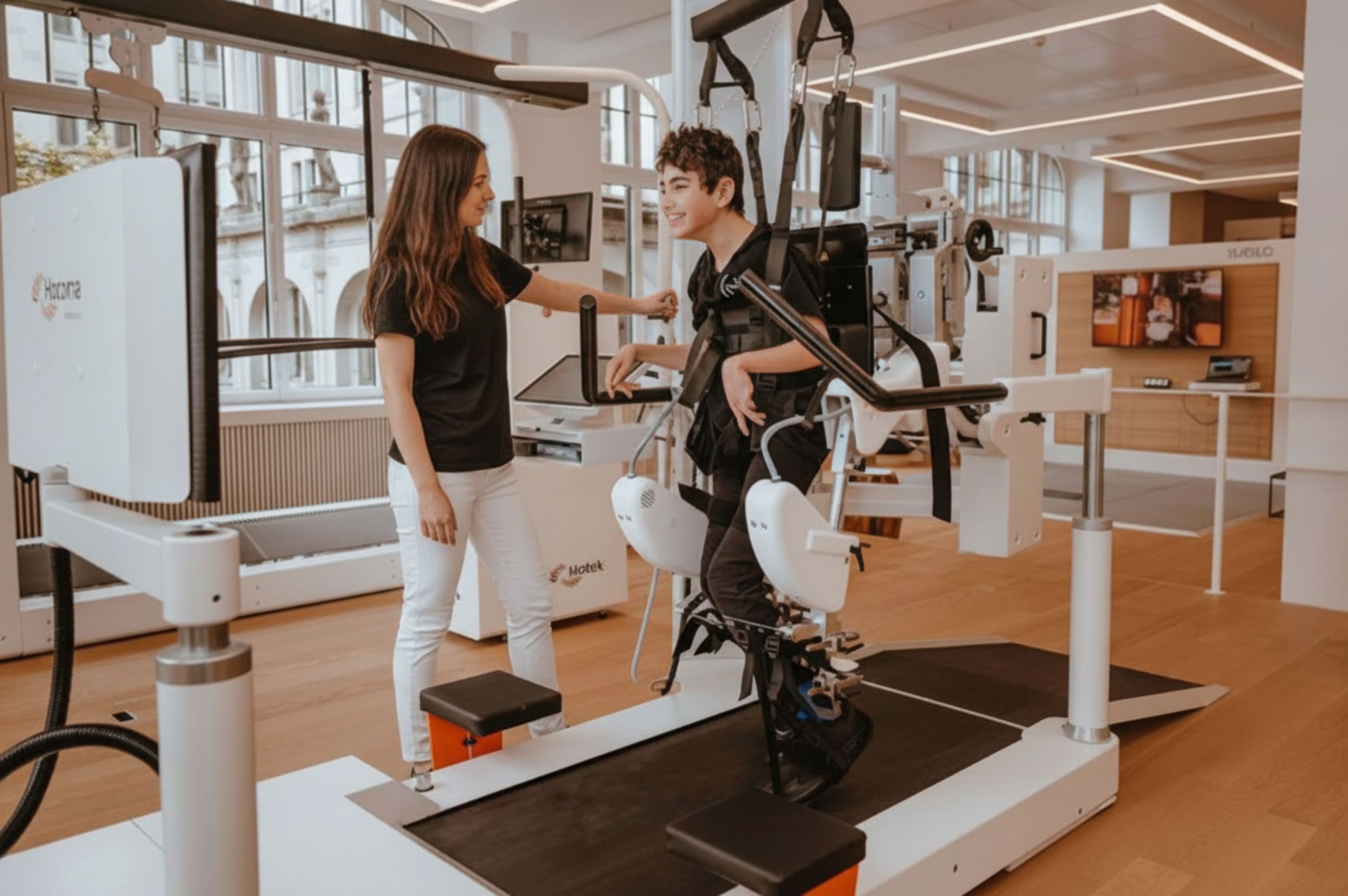
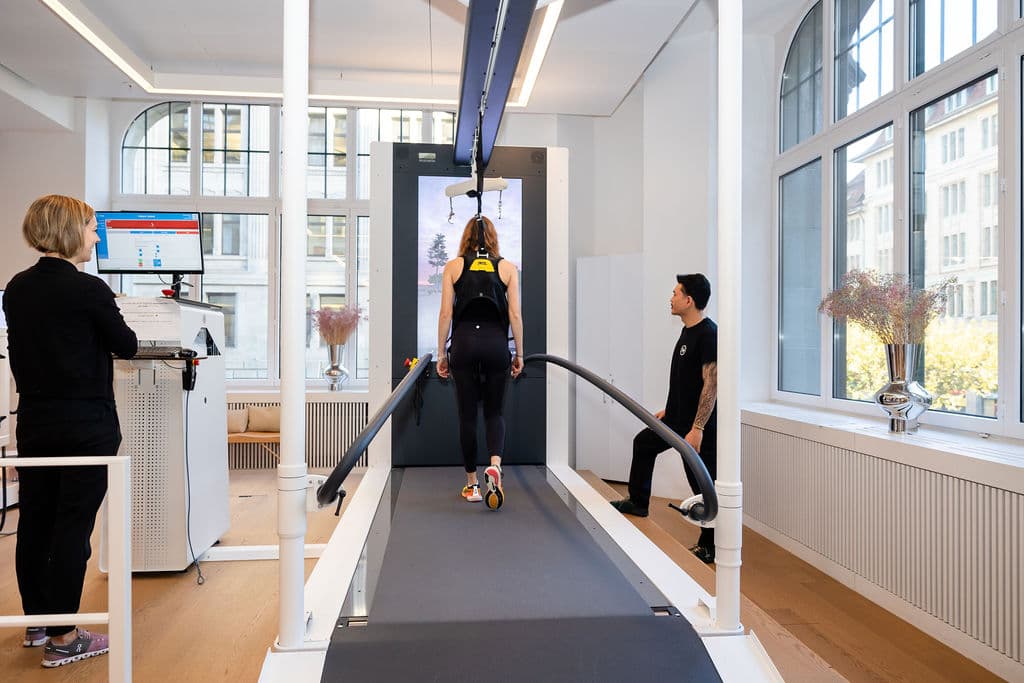
Neuroplasticity is dose-dependent. Our robotic systems deliver 1,000+ movements per session, up to 20× more than conventional physiotherapy.
The whole person
Neurological injury affects every dimension of life. We address physical function, cognition, emotional wellbeing, and social participation.
Specificity of training
Effective neurorehabilitation must be task-specific. We train the exact movements and functions the patient needs to recover, in the precise way the nervous system learns.
Start early, keep going
Neuroplasticity is especially high in the first weeks and months after an event such as a stroke, and early in a child's development. That is why we start as early as clinically possible. With progressive conditions, and years after an injury, targeted therapy is still worthwhile to maintain and improve function.
Measurable goals
We set clear, patient-centred goals and measure progress against standardised clinical outcomes, shared with patients, families, and referring clinicians.
Technology in service of therapy
Our robotic systems extend what skilled therapists can achieve. They do not replace them. Every session is designed and supervised by a specialist.
Start with a free assessment.
A specialist therapist discusses your situation, your goals and cost coverage with you. Book online or call us directly.