Parkinson's Disease
Specialised movement rehabilitation to counteract Parkinson's symptoms and maintain independence longer.
Understanding the Condition
Parkinson's Disease
Parkinson's is a progressive neurological condition affecting movement, balance, and coordination. It results from the loss of dopamine-producing cells in the brain.
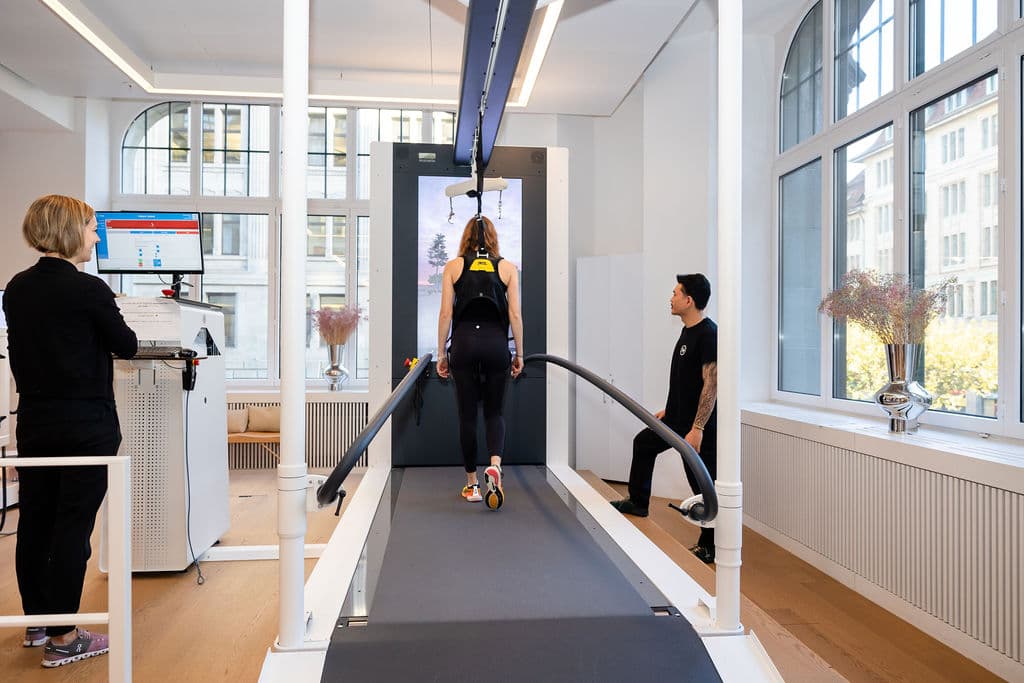
Neuroplasticity offers real hope. Intensive, task-specific training can stimulate motor circuits, maintain function, and slow the progression of symptoms.
The key variable is intensity. Robotic-assisted therapy delivers 1,000+ precisely guided movements per session, stimulating brain regions responsible for movement.
Common Symptoms We Address
- Tremor at rest
- Bradykinesia (slow movement)
- Rigidity and stiffness
- Postural instability
- Freezing of gait
- Balance problems
How We Treat It
A Precision Programme for Your Rehabilitation
- 01
High-intensity gait training with rhythmic, visual and other cues
- 02
Anti-freezing strategies
- 03
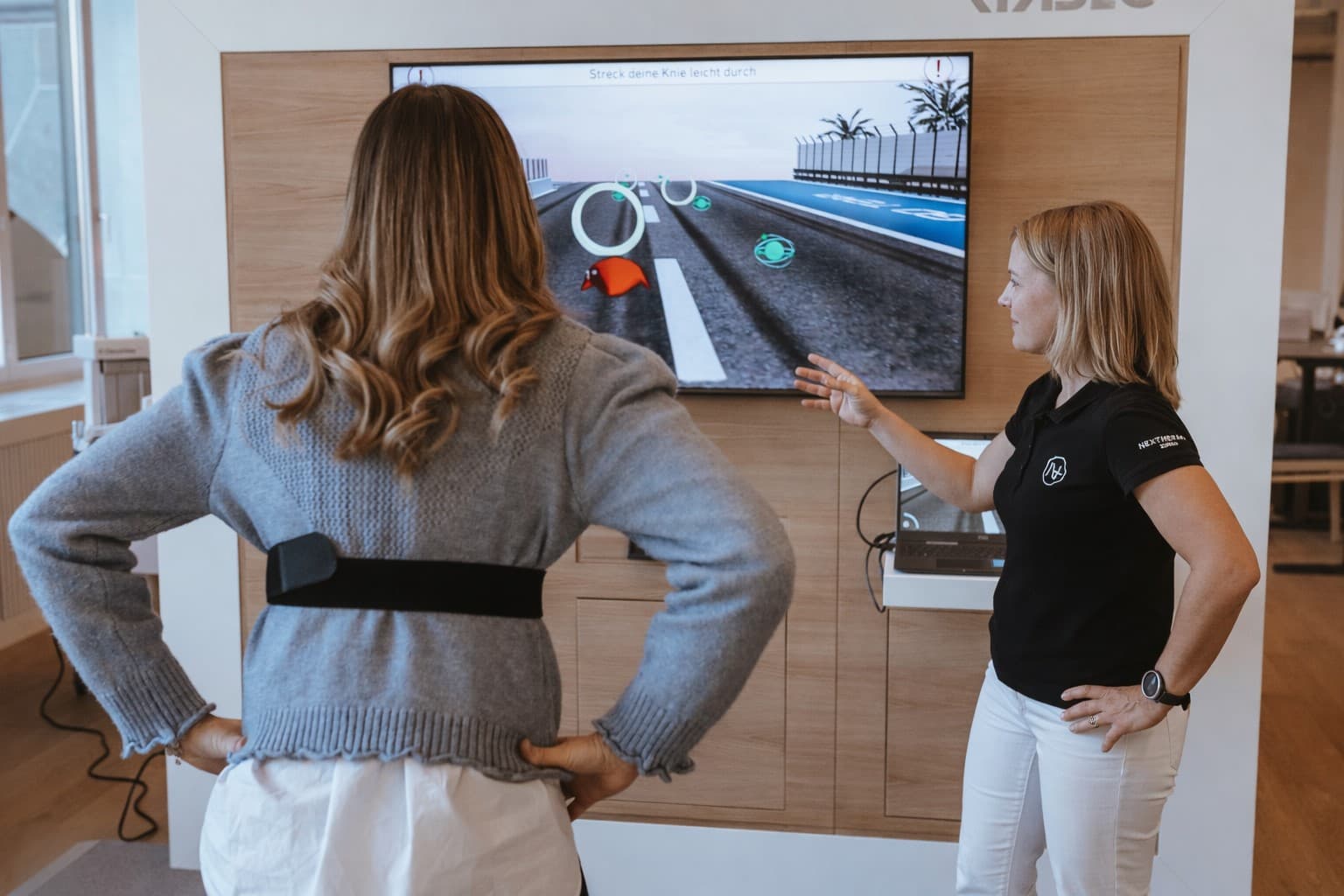
Balance and posture training
- 04
Dual-task training
- 05
Upper limb and fine motor training
- 06
Exercise-based neuroprotection

Testimonials
Parkinson's Disease
“I was diagnosed with Parkinson’s disease when I was 33 years old. Today I am 39, so I have a lot of experience in physiotherapy. Thanks to my neurologist, I became aware of Nextherapy. The state-of-the-art equipment and the competent therapists enable therapies tailored exactly to me and my illness-related deficits. The therapies are challenging and strenuous, but they show an effect after only a few weeks. My sense of balance improved, I can move my hands and fingers better again, and I know exercises I can do at home. I am glad that I took this step.”
Therapy goals
Working together on your goals
Every therapy is built around the individual abilities, needs and goals of our patients. Together, we work to maintain function, make movement easier and support independence in daily life.
Possible therapy goals:
- Cope better with freezing of gait
- Improve walking pace and step length
- Improve posture and balance
- Support fine motor skills, for example writing or doing up buttons
- Maintain mobility and independence for as long as possible
- Build confidence and enjoyment in movement
FAQ
How early in Parkinson's should I start robotic therapy?
The earlier the better. Intensive therapy in the early stages can maintain function for longer and slow progression.
Can robotic therapy improve Parkinson's tremor?
Many patients report improved overall motor control that can also influence tremor.
Does amplitude-based training help with Parkinson's?
Yes. Amplitude-based training practises large, deliberate movements to counter the small, slow movements that Parkinson's causes. Studies show it can improve gait, balance and mobility.
Start your recovery with a personalised assessment.
Our specialists review your condition and design the right programme for you.