Spinal Cord Injury
Advanced activity-based rehabilitation to maximise recovery and independence after spinal cord injury.
Understanding the Condition
Spinal Cord Injury
A spinal cord injury interrupts signal transmission between the brain and body. Depending on the injury level, this can cause partial or complete paralysis and loss of sensation.
Current research shows that the spinal cord has its own plastic mechanisms. Intensive, repetitive therapy can strengthen existing neural connections and improve function.
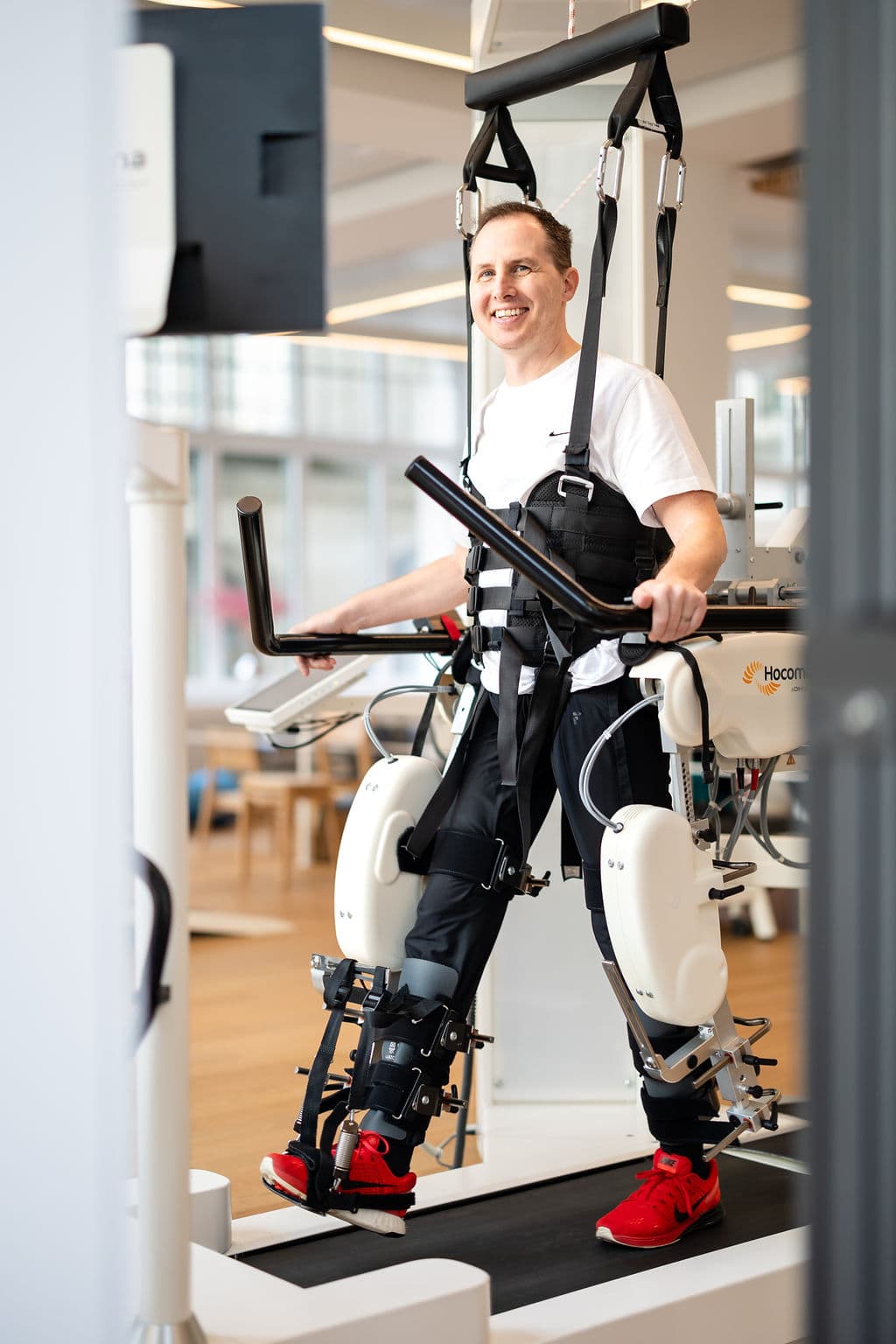
Our robotic-assisted systems enable intensive gait training even when active movement is not possible.
Common Symptoms We Address
- Loss of strength, up to partial or complete paralysis
- Sensory loss below injury level
- Spasticity and muscle stiffness
- Bladder and bowel dysfunction
- Chronic pain
- Pressure sore risk
How We Treat It
A Precision Programme for Your Rehabilitation
- 01
Robotic-assisted gait training
- 02
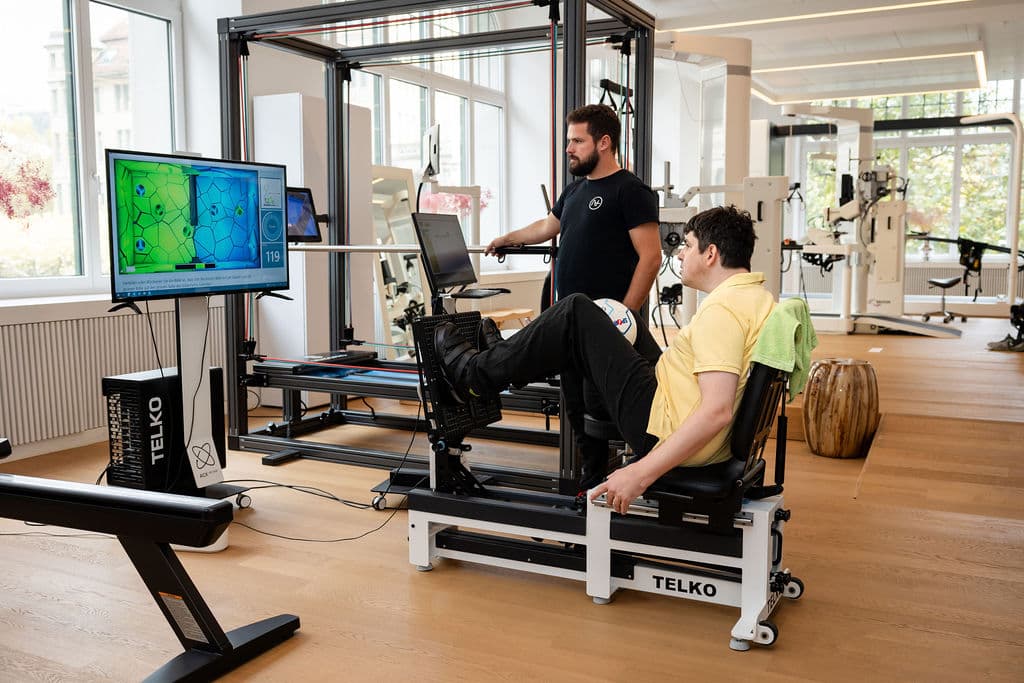
Strength and endurance training
- 03
Standing and weight-bearing programmes
- 04
Upper limb rehabilitation
- 05
Spasticity management
- 06
Activity-based therapy
Testimonials
Spinal Cord Injury
“After a 5-week break, I have finally experienced success with Nextherapy again, as the possibilities elsewhere were limited. I am now more confident with the rollator and my coordination when walking has also improved.”
“The regular and intensive training makes me feel better. It gives me structure and motivation for everyday life. Therapy at Nextherapy gives me hope for the future.”
Therapy goals
Working together on your goals
Every therapy is built around the individual abilities, needs and goals of our patients. Together, we work to maintain function, make movement easier and support independence in daily life.
Possible therapy goals:
- Improve mobility, for example transfers or walking with aids
- Regulate spasticity
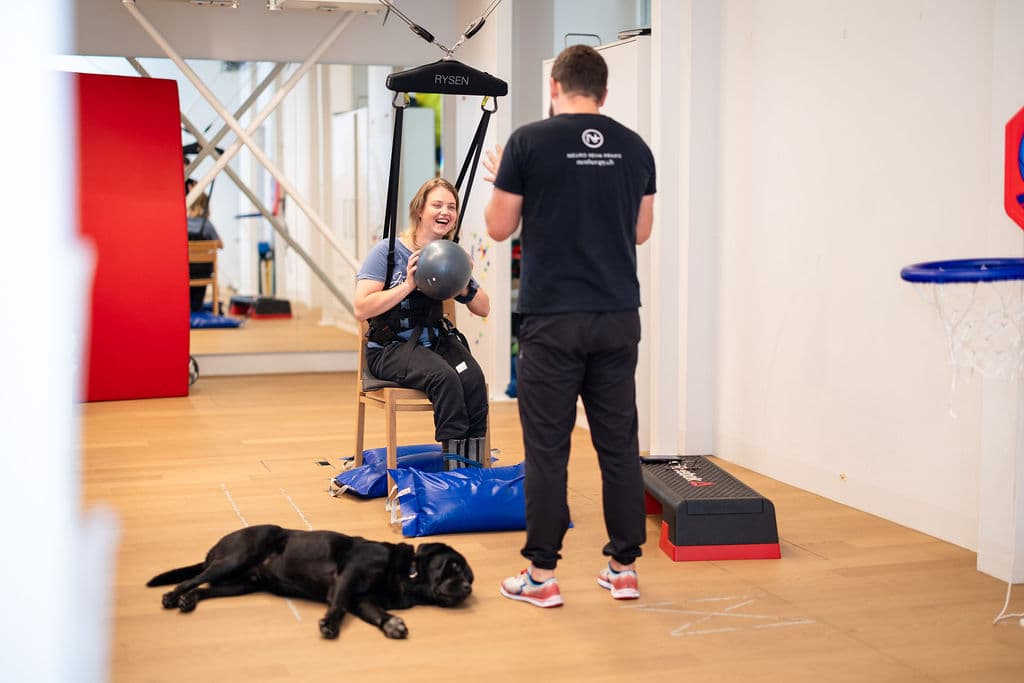
- Improve trunk stability
- Support arm and hand function
- Build strength, endurance and cardiovascular health
- Support independence and quality of life in daily life
FAQ
Can robotic therapy help me walk again after a spinal cord injury?
With incomplete injuries, intensive gait training can achieve significant improvements. Even complete injuries can see improved function and quality of life.
When is the best time to start rehabilitation after a spinal cord injury?
Early. Neuroplasticity is greatest in the first weeks and months after injury.
Is therapy effective for older or chronic injuries?
Yes. Significant functional improvements are still possible years after injury with the right intensity level.
Start your recovery with a personalised assessment.
Our specialists review your condition and design the right programme for you.