Multiple Sclerosis
Tailored rehabilitation programmes to manage MS symptoms, preserve function, and improve quality of life.
Understanding the Condition
Multiple Sclerosis
MS is a chronic neurological condition where the immune system attacks myelin. This disrupts signals between the brain and the body, causing physical, sensory, and cognitive symptoms.
MS affects every person differently. Some experience relapsing-remitting episodes; others have progressive forms. Our programmes are precisely tailored to your current MS presentation.
Evidence shows that structured, regular exercise and rehabilitation can slow functional decline, manage fatigue, and significantly improve quality of life.
Common Symptoms We Address
- Fatigue and weakness
- Balance problems and falls
- Spasticity and stiffness
- Difficulty walking
- Cognitive fog
- Hand and arm weakness
How We Treat It
A Precision Programme for Your Rehabilitation
- 01
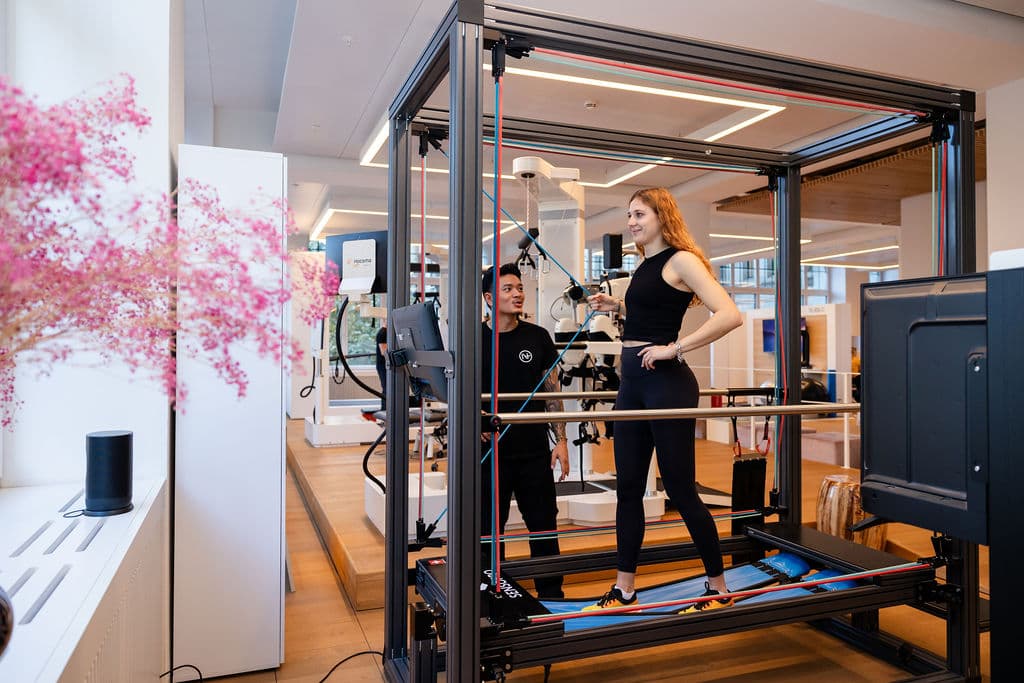
Energy-efficient gait training
- 02
Fatigue management strategies
- 03
Balance and proprioception training
- 04
Spasticity reduction
- 05
Cognitive rehabilitation
- 06
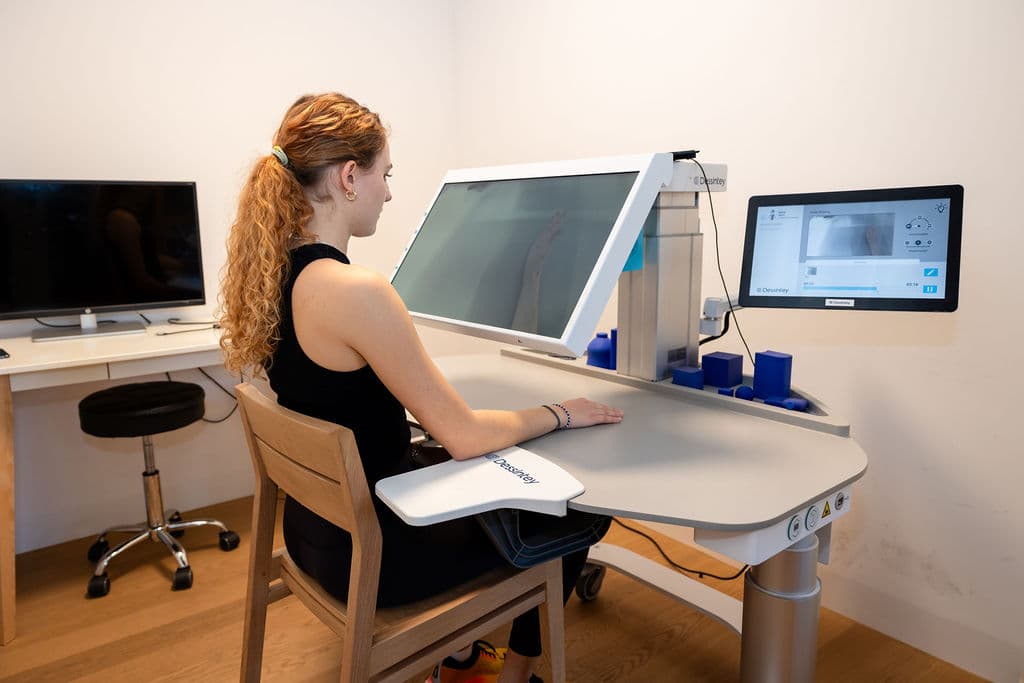
Upper limb training
Testimonials
Multiple Sclerosis
“The Nextherapy team supports and motivates me. They always pay attention to what I do, which also gives me the motivation to practice at home. I have cats and now I can throw out their rubbish and feed them myself without the support of a walker or cane.”
“I sometimes function better and sometimes worse. Nevertheless, I feel I am on a good path with Nextherapy.”
Therapy goals
Working together on your goals
Every therapy is built around the individual abilities, needs and goals of our patients. Together, we work to maintain function, make movement easier and support independence in daily life.
Possible therapy goals:
- Manage fatigue better in daily life
- Maintain and improve walking endurance
- Improve balance and help prevent falls
- Support arm and hand function
- Support concentration and mental stamina
- Keep up activities such as shopping, housework or hobbies
FAQ
Can I do intensive therapy even during a relapse?
We do not recommend high-intensity exercise during an active relapse. Once the relapse has settled, resuming therapy quickly is important.
Will therapy slow down my MS progression?
High-intensity training slows functional decline, reduces fatigue, and significantly improves quality of life.
I get very fatigued. Can I still do robotic therapy?
Yes. Fatigue management is a central part of our MS programme. We adapt the intensity, length and breaks of every session to how you feel on the day.
Start your recovery with a personalised assessment.
Our specialists review your condition and design the right programme for you.