Cerebral Palsy
Evidence-based rehabilitation for children and adults with cerebral palsy to optimise movement and independence.
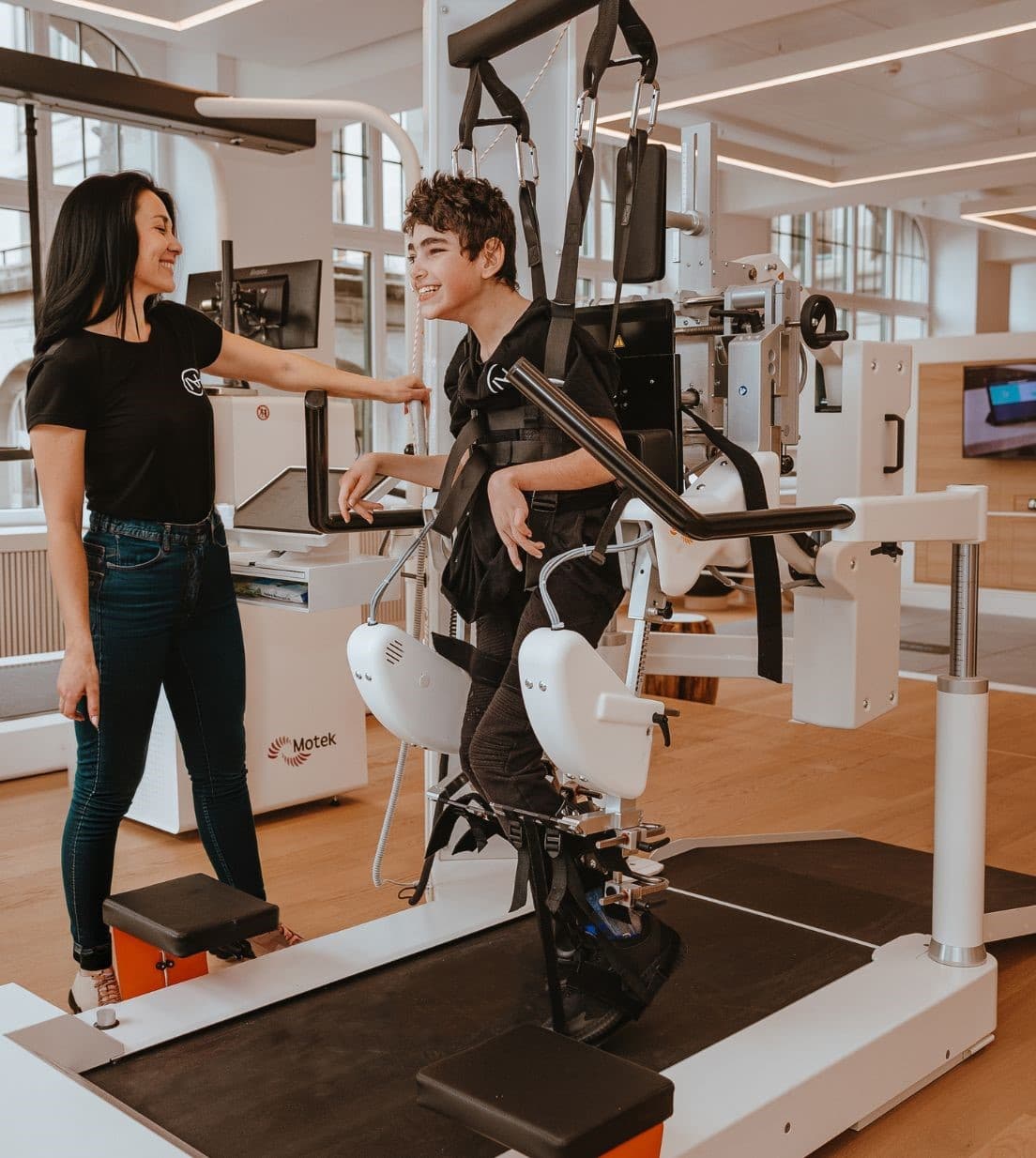
Who it is for
For children and adults with cerebral palsy
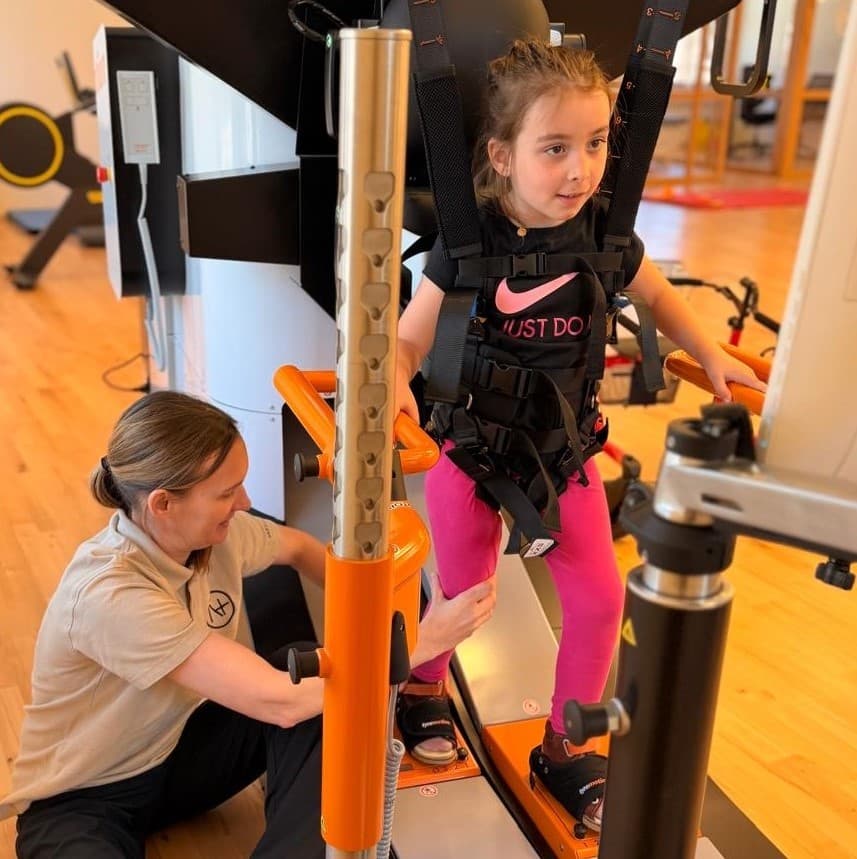
Children & teenagers
Start early, practise through play
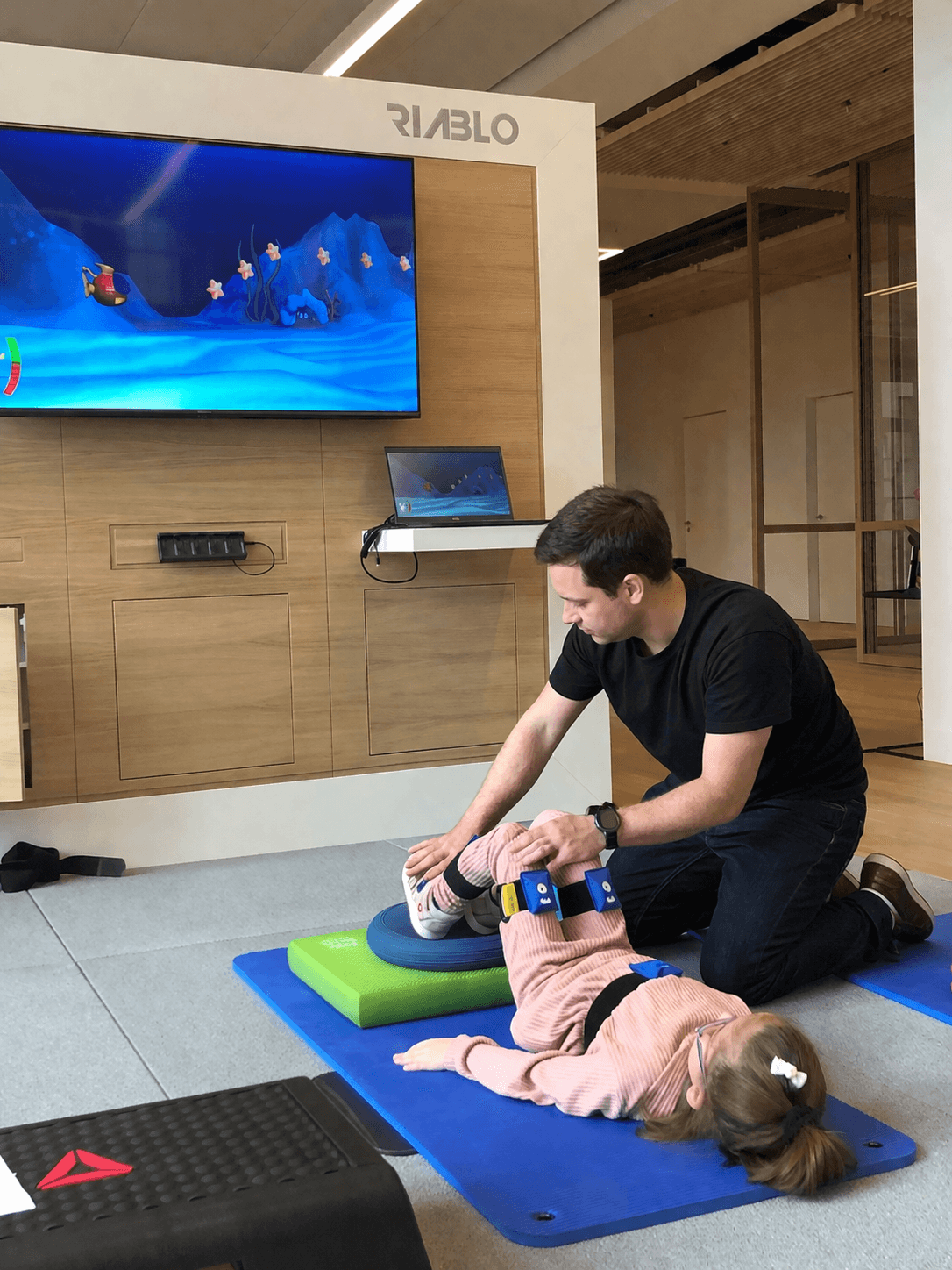
A child’s brain is especially able to learn. Our therapists with paediatric experience turn exercises into games, so your child trains often, and gladly. Very young and less affected children often train entirely without robotics, for example with Bobath, DMI, Therasuit or sensory integration.
- From the first weeks of life; paediatric Lokomat from around 2½ years
- Bootcamps of 1 to 4 weeks, also in the school holidays
- Usually covered by IV
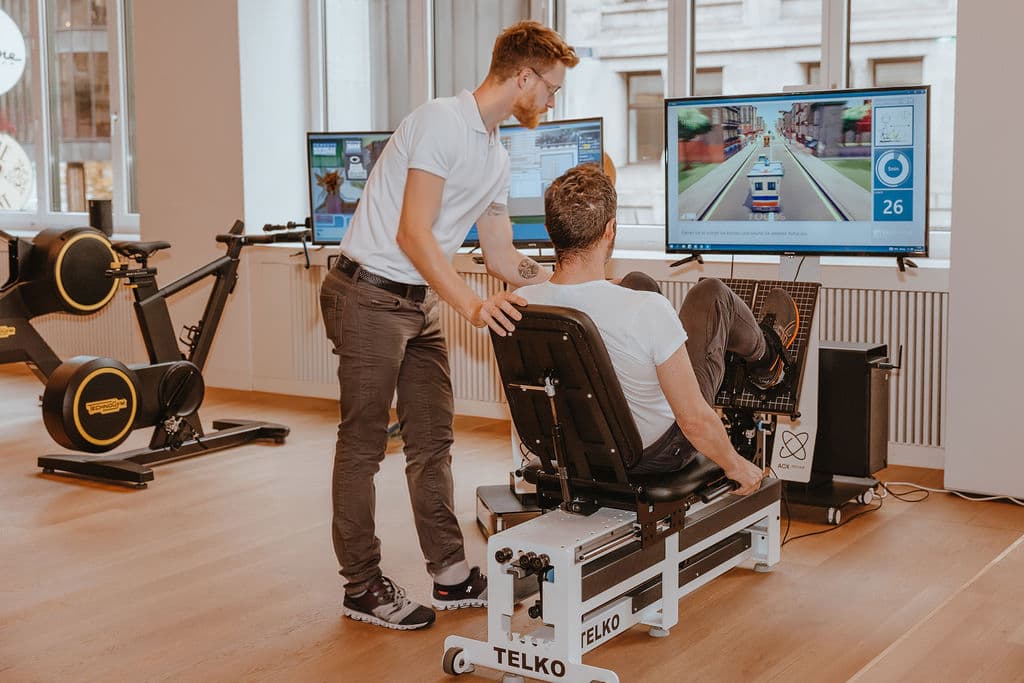
Adults
Progress is still possible as an adult
Many adults with cerebral palsy have had therapy since childhood and have been told there is nothing more to gain. Even if you have lived with cerebral palsy for a long time, you are in the right place with us. Targeted, intensive training can still improve walking, balance, strength and confidence today.
- Walk and climb stairs more safely
- Better balance, less stiffness
- Strength and stamina for work and leisure
- Covered by health insurance with a prescription
Understanding the Condition
Cerebral Palsy
Cerebral palsy is a group of disorders affecting movement and motor skills. It results from damage to the developing brain before, during, or shortly after birth.
A child's brain is especially adaptable, which is why early support pays off. But the nervous system also responds to targeted training in adulthood. People who have lived with cerebral palsy for many years can improve their walking, strength and confidence in daily life through intensive therapy.
Children train with us through play, hands-on therapy and, once they are big enough, our paediatric systems. Adults work specifically on gait, balance, strength and endurance, including with robotics, and on what matters to them at work and in their free time.
Common Symptoms We Address
- Spasticity and stiffness
- Difficulty with gait and movement
- Balance and coordination problems
- Fine motor difficulties
- Fatigue with movement
- Postural problems
How We Treat It
A Precision Programme for Your Rehabilitation
- 01
Robotic gait training
- 02
Spasticity reduction programmes
- 03
Balance and coordination therapy
- 04
Upper limb function training
- 05
Gamified rehabilitation
- 06
Family-centred care
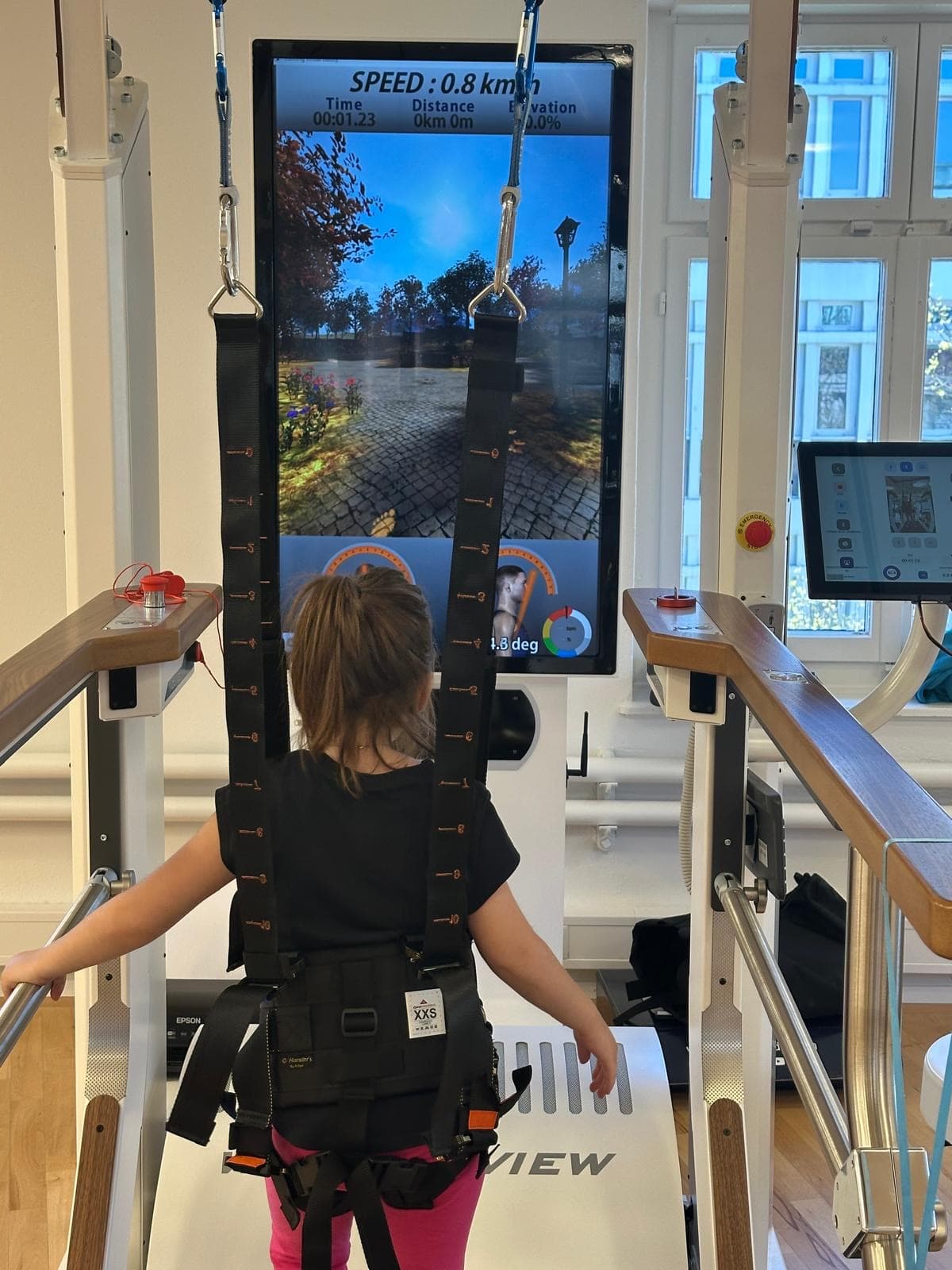
Methods
What your child is actually treated with.
Cerebral palsy is treated by people, not machines. These are the methods our paediatric physiotherapists and occupational therapists hold formal training in. Adult-only methods are left out.
- Bobath
- DMI (Dynamic Movement Intervention)
- DNS (Dynamic Neuromuscular Stabilisation)
- Gait analysis
- CIMT (Constraint-Induced Movement Therapy)
- Sensory integration
- Baby handling and parent guidance
- Orofacial therapy
- Augmentative and alternative communication (AAC)
- TEACCH
- Marburg concentration training
- Therasuit and Spidercage
- NISE-Stim
- Manual therapy
- Therapeutic taping
- ADL and daily living training
- Trauma-informed care
Testimonials
Cerebral Palsy
“Since the therapy I have noticed that I can stand on my feet more confidently. My experience with Nextherapy is very positive, I feel comfortable during the treatment. The therapists are very friendly, helpful and competent, and the facility is very modern. I would recommend it anytime.”
“I have had therapies since childhood. I realised that Nextherapy was a new approach and decided to give them a chance. After just one month, I find it easier to climb stairs and I feel more confident, especially when going upstairs.”
Therapy goals
Working together on your goals
Every therapy is built around the individual abilities, needs and goals of our patients. Together, we work to maintain function, make movement easier and support independence in daily life.
Possible therapy goals:
- Improve gait and mobility
- Regulate spasticity and make movement easier
- Improve balance and coordination
- Practise everyday skills such as dressing, eating or climbing stairs
- Support participation in family, school, work and leisure
- Strengthen body awareness and wellbeing
FAQ
At what age can children begin robotic therapy?
Our systems are suitable for children from around 2½ years of age. The earlier intensive therapy begins, the better. Before that age, we work with children with manual and play-based therapies, using specialised techniques, including but not limited to DMI.
How does robotic therapy differ from conventional physiotherapy for cerebral palsy?
Robotic systems deliver far more precise, symmetrical movement repetitions per session than is possible manually.
Are parents involved in the therapy programme?
Absolutely. We work closely with families to design home exercises and therapy goals.
Start your recovery with a personalised assessment.
Our specialists review your condition and design the right programme for you.