Intensive rehabilitation (bootcamp) or weekly therapy
Intensive rehabilitation, weekly therapy, or both.
A bootcamp is one to four weeks of daily therapy to focus on a single goal and achieve measurable progress in a short time. It is intense and can be gratifying. Weekly therapy is two to three sessions a week that maintain and improve function slowly over time. Together, we discuss which one to start with in the free assessment.
Short and intense
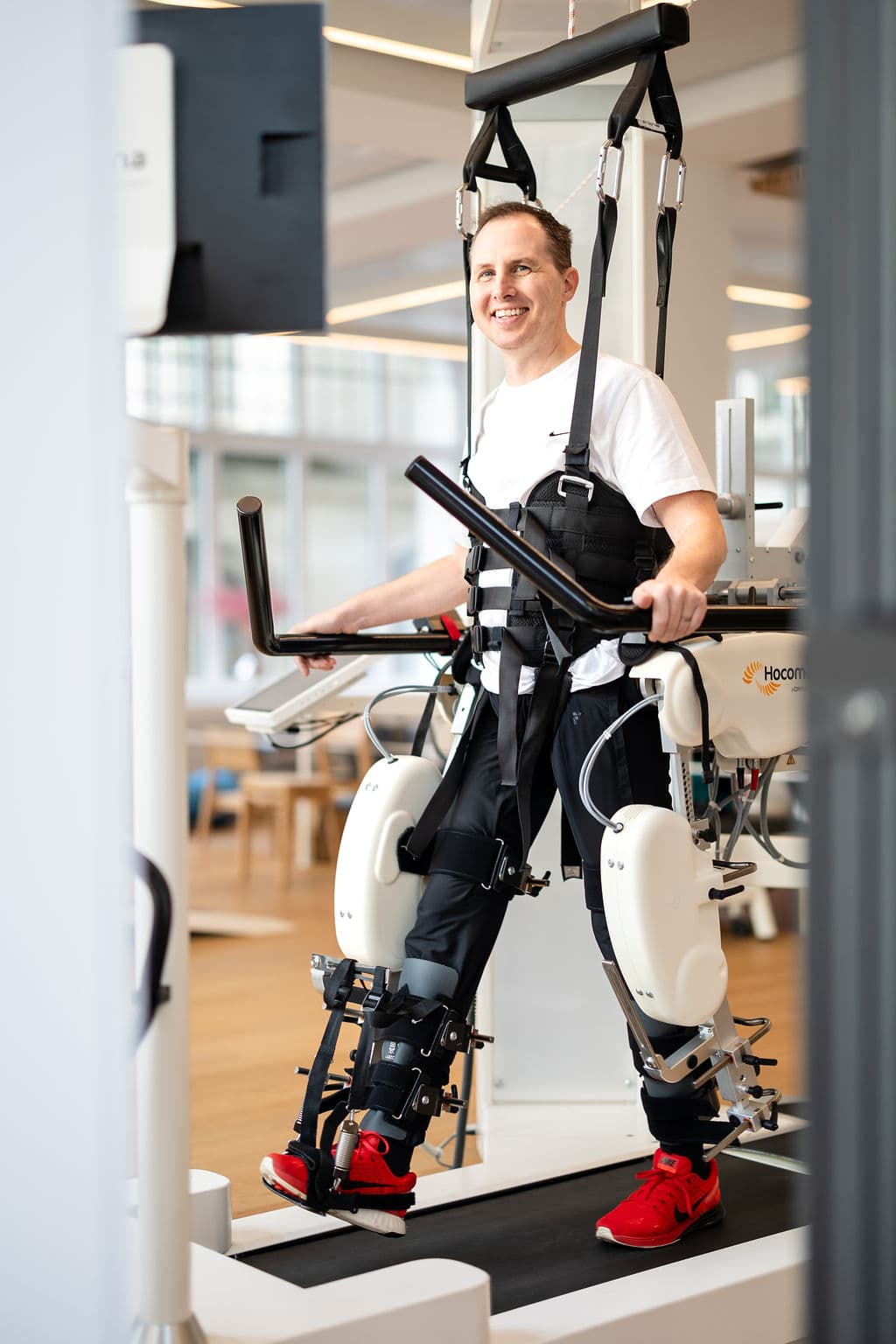
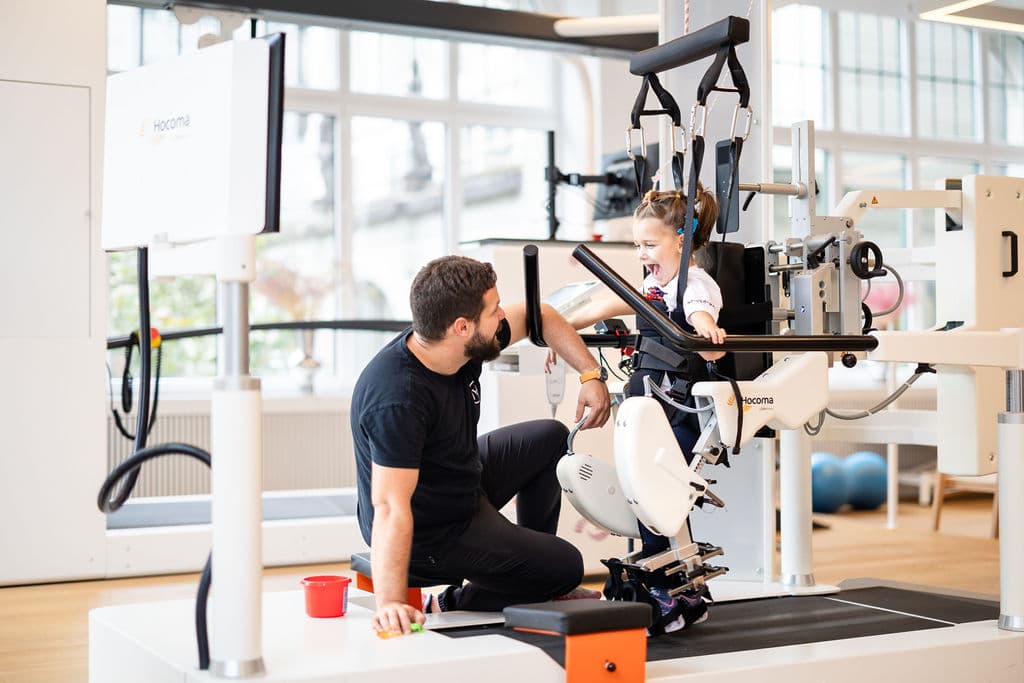
Intensive rehabilitation (bootcamp)
A full therapy day, every weekday, for one to four weeks. Physiotherapy and occupational therapy work on the same goal, with robotic training where it helps. We assess you at the start and again at the end, and in between we work intensively alongside you to reach your recovery goals in a short time.
- Goal
- A measurable improvement in one clearly defined function
- Length
- 1 to 4 weeks without interruption
- Schedule
- A full therapy day, every weekday, with proper breaks
- Choose it when
- After a diagnosis or an operation, or when progress has stalled. Can be booked in the school holidays.
Ongoing
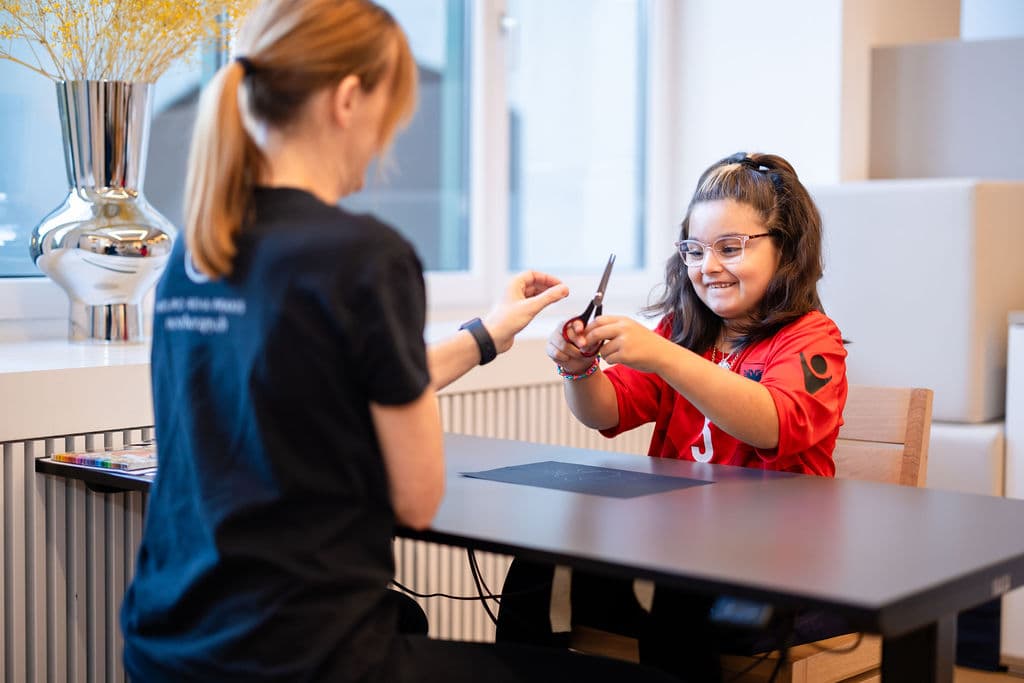
Weekly therapy
Two to three sessions a week, through the year, with the same therapists each time. You get exercises to do at home, we measure progress regularly and adjust the plan. We work to your doctor's prescription and review it with them as your goals change.
- Goal
- Your recovery goals, set together with you
- Length
- Ongoing, for as long as it helps, in line with medical and insurance guidelines
- Schedule
- 2 to 3 sessions a week, as prescribed
- Choose it when
- After a bootcamp, or on its own when an intensive period is not practical.
After every bootcamp we send the measurements and the findings to you and your doctor.
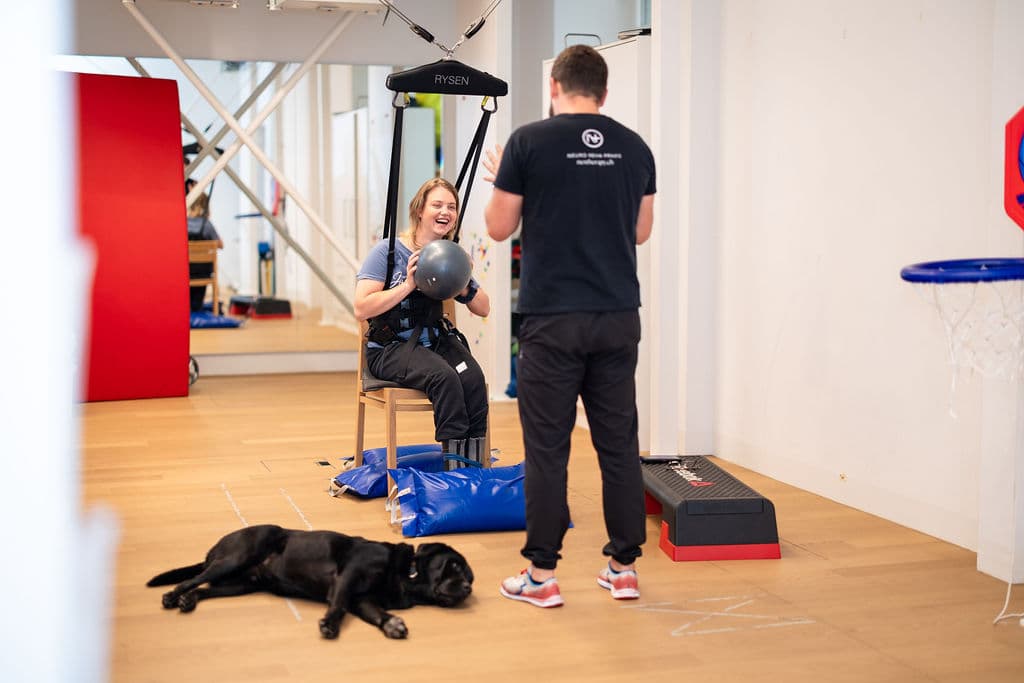
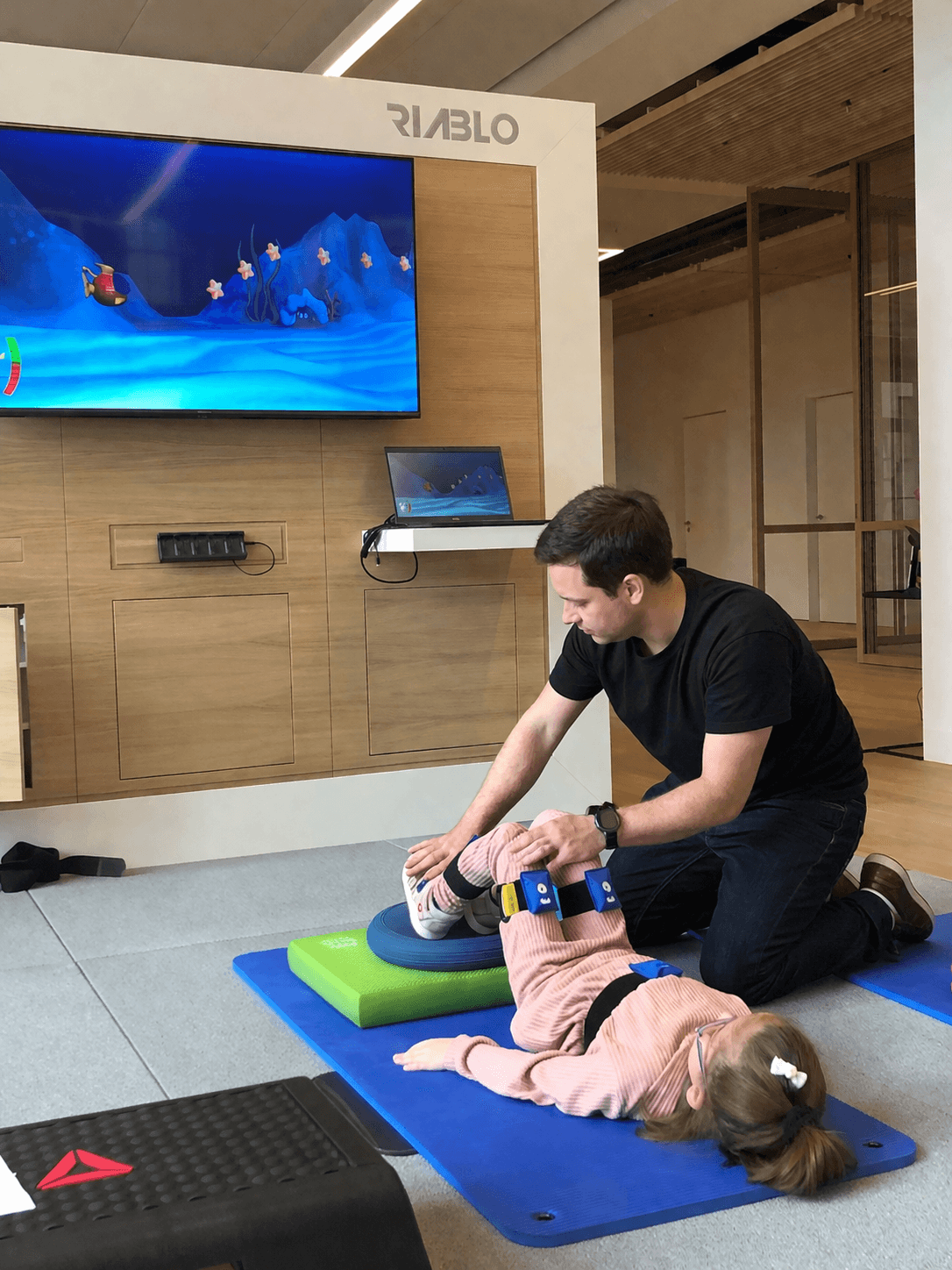
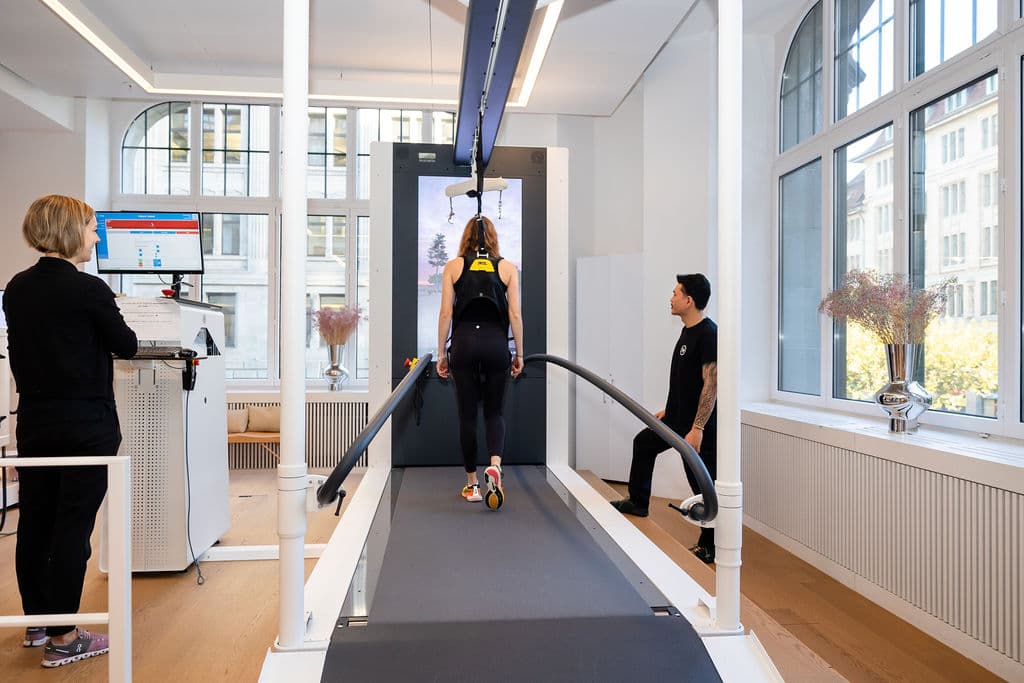
La science
Pourquoi l’intensité stimule la récupération
La récupération repose sur une répétition à haute dose, orientée vers la tâche.
Intensité plus élevée → signal neuronal plus fort → potentiel de récupération fonctionnelle accru
Principes cliniques
Six principes qui guident tout ce que nous faisons
L’intensité avant tout
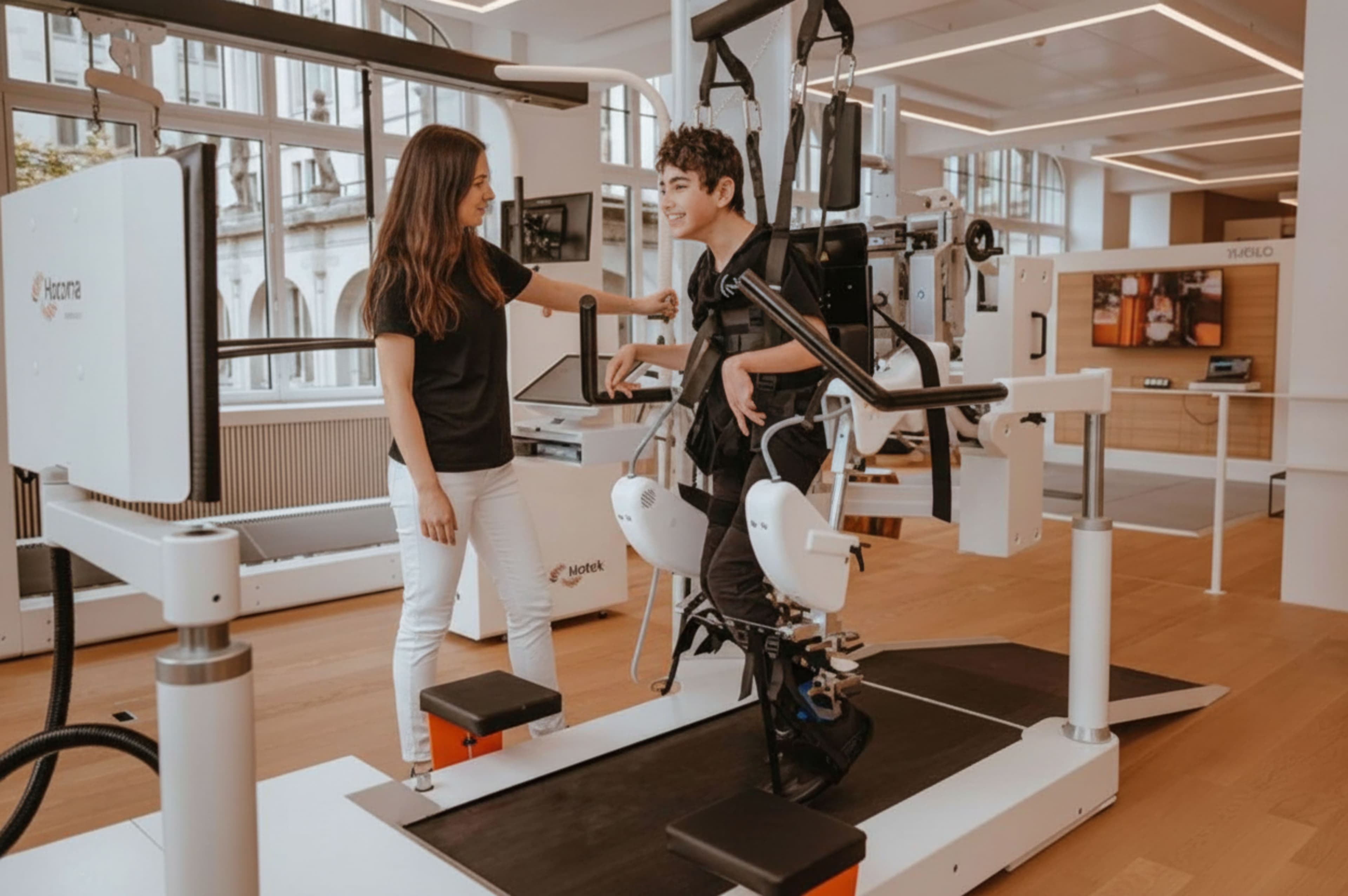
La neuroplasticité est dose-dépendante. Nos systèmes robotisés délivrent plus de 1’000 mouvements par séance, soit jusqu’à 20× plus que la physiothérapie conventionnelle.
La spécificité de l’entraînement
Une neuroréhabilitation efficace doit être orientée vers la tâche. Nous entraînons précisément les mouvements et les fonctions que le patient doit récupérer, de la manière exacte dont le système nerveux apprend.
L’intervention précoce
La neuroplasticité est maximale dans les premières semaines et les premiers mois suivant l’événement. Nous nous efforçons de débuter la réhabilitation intensive aussi tôt que cliniquement possible.
Des objectifs mesurables
Nous fixons des objectifs clairs, centrés sur le patient, et mesurons les progrès à l’aide de résultats cliniques standardisés, partagés avec les patients, les familles et les médecins référents.
La technologie au service de la thérapie
Nos systèmes robotisés étendent ce que des thérapeutes qualifiés peuvent accomplir ; ils ne les remplacent pas. Chaque séance est conçue et supervisée par un spécialiste.
La personne dans sa globalité
Une lésion neurologique touche toutes les dimensions de la vie. Nous prenons en compte la fonction physique, la cognition, le bien-être émotionnel et la participation sociale.
Start with a free assessment.
A specialist therapist discusses your situation, your goals and cost coverage with you. Book online or call us directly.