Intensive rehabilitation (bootcamp) or weekly therapy
Intensive rehabilitation, weekly therapy, or both.
A bootcamp is one to four weeks of daily therapy to focus on a single goal and achieve measurable progress in a short time. It is intense and can be very rewarding. Weekly therapy is usually one to three sessions a week, or one session every two weeks if that suits you better, and maintains and improves function gradually over time. Together, we discuss which one to start with in the free assessment.
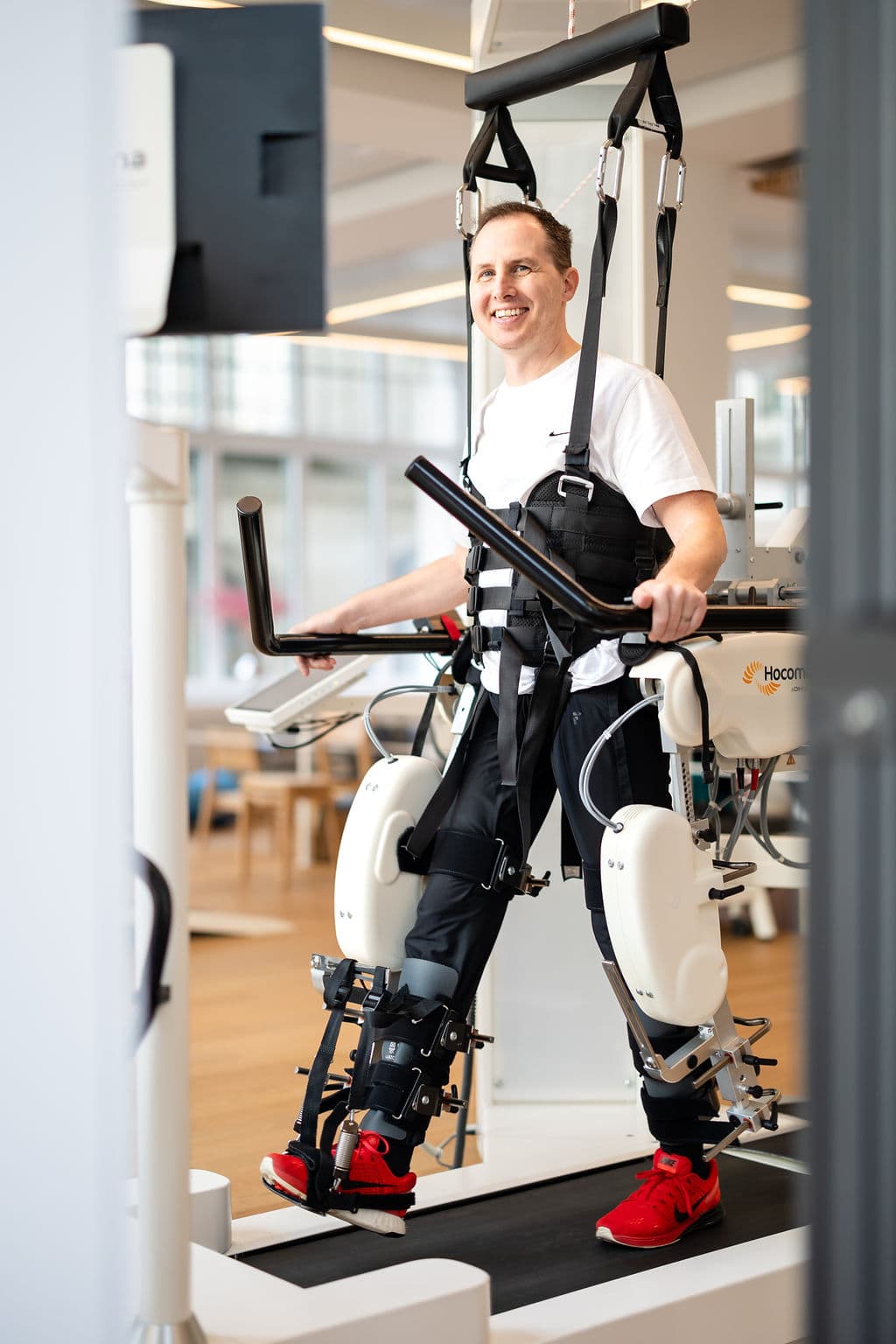
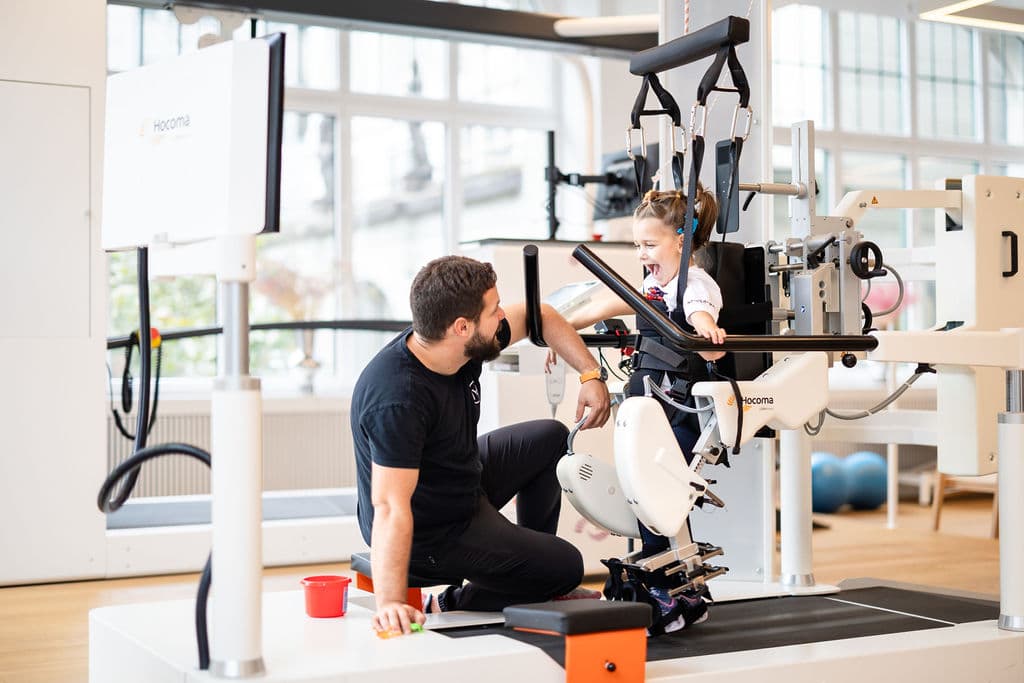
Short and intense
Intensive rehabilitation (bootcamp)
A full therapy day, every weekday, for one to four weeks. Physiotherapy and occupational therapy work on the same goal, with robotic training where it helps. We assess you at the start and again at the end, and in between we work intensively alongside you to reach your recovery goals in a short time. After every bootcamp we send the measurements and the findings to you and your doctor.
- Goal
- A measurable improvement in one clearly defined function
- Length
- 1 to 4 weeks without interruption
- Schedule
- A full therapy day, every weekday, with proper breaks
- Choose it when
- After a diagnosis or an operation, or when progress has stalled. Can be booked in the school holidays.
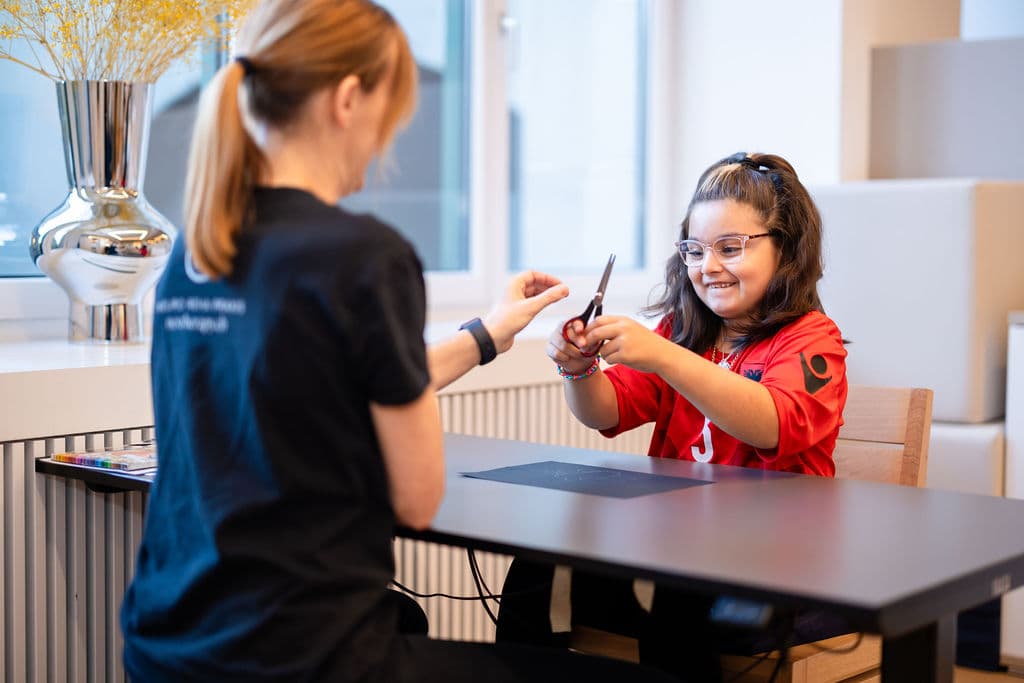
Ongoing
Weekly therapy
One to three sessions a week, or one session every two weeks, depending on your prescription and your goals, with the same therapists each time. You get exercises to do at home, we measure progress regularly and adjust your treatment plan. We work to your doctor's prescription and review it with them as your goals change.
- Goal
- Your recovery goals, set together with you
- Length
- Ongoing, for as long as it helps, in line with medical and insurance guidelines
- Schedule
- 1 to 3 sessions a week, or every two weeks, as prescribed
- Choose it when
- As regular training towards your goals. Also after a bootcamp.
La ciencia
Por qué la intensidad impulsa la recuperación
La recuperación se basa en una repetición de alta dosis y orientada a tareas concretas.
Mayor intensidad → señal neuronal más fuerte → mayor potencial de recuperación funcional
Principios clínicos
Seis principios que guían todo lo que hacemos
La intensidad por encima de todo
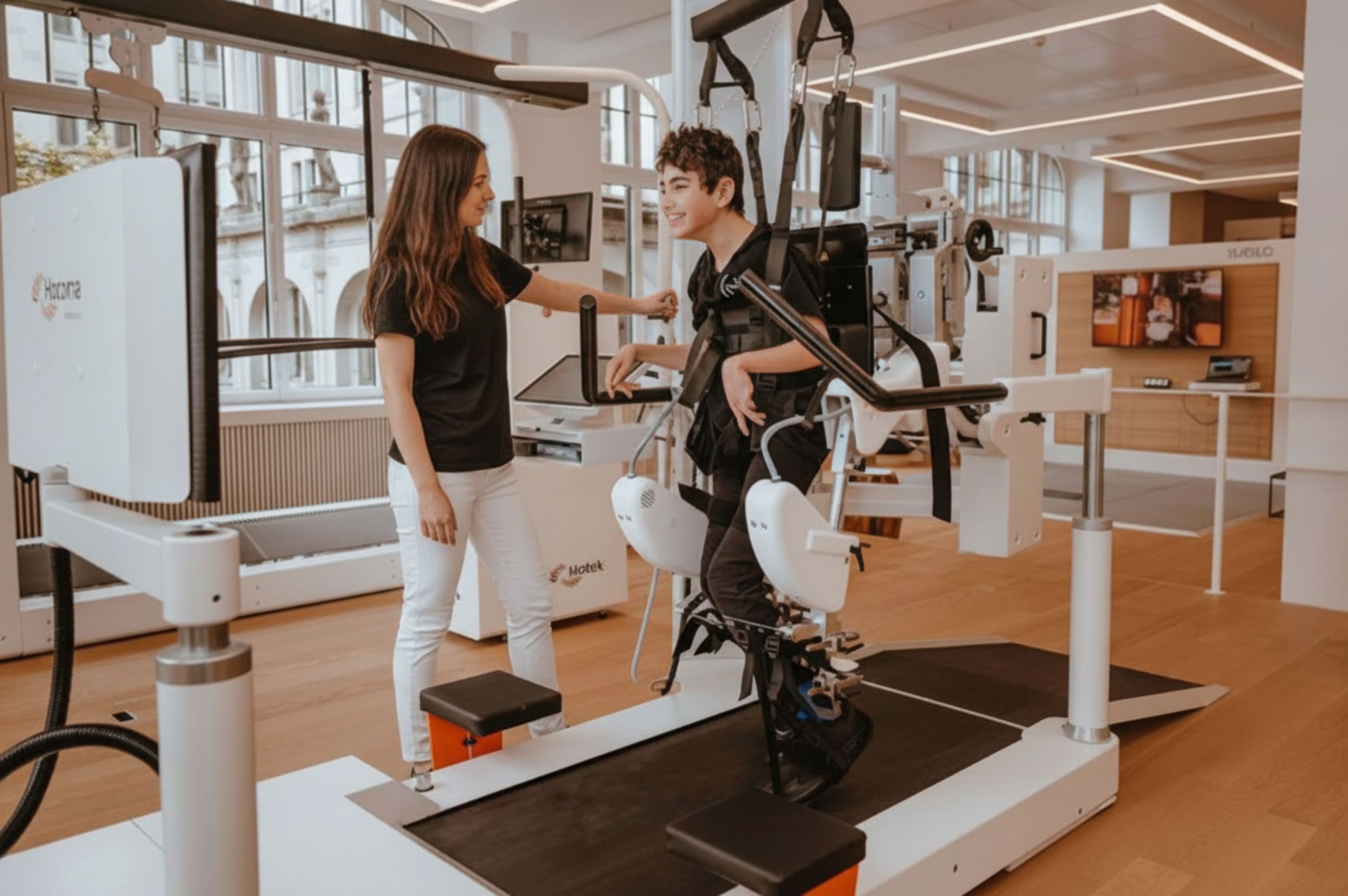
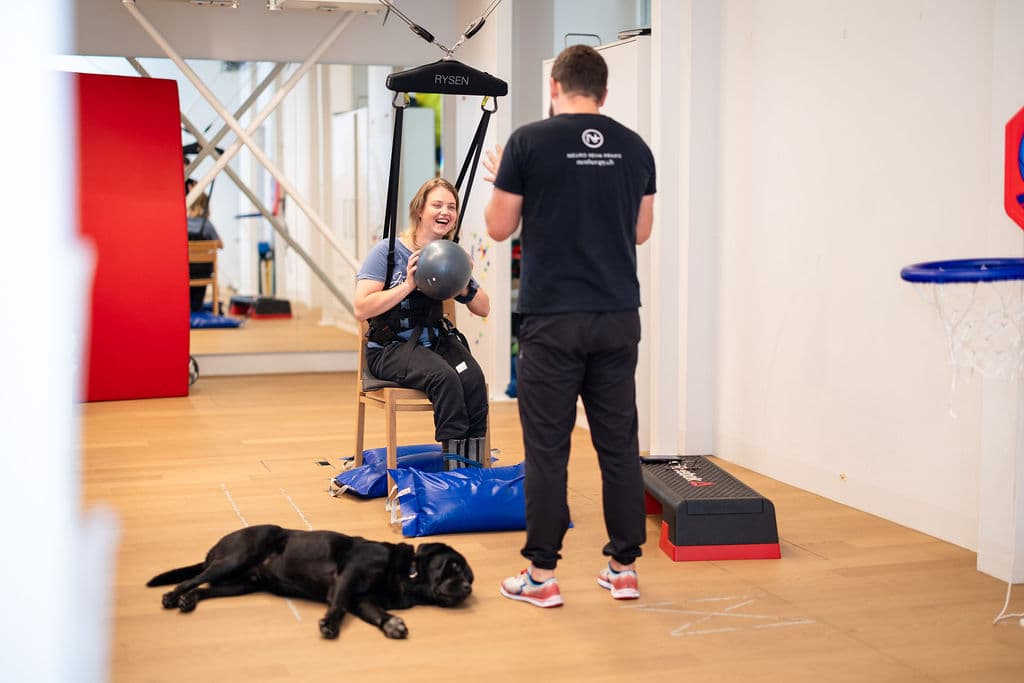
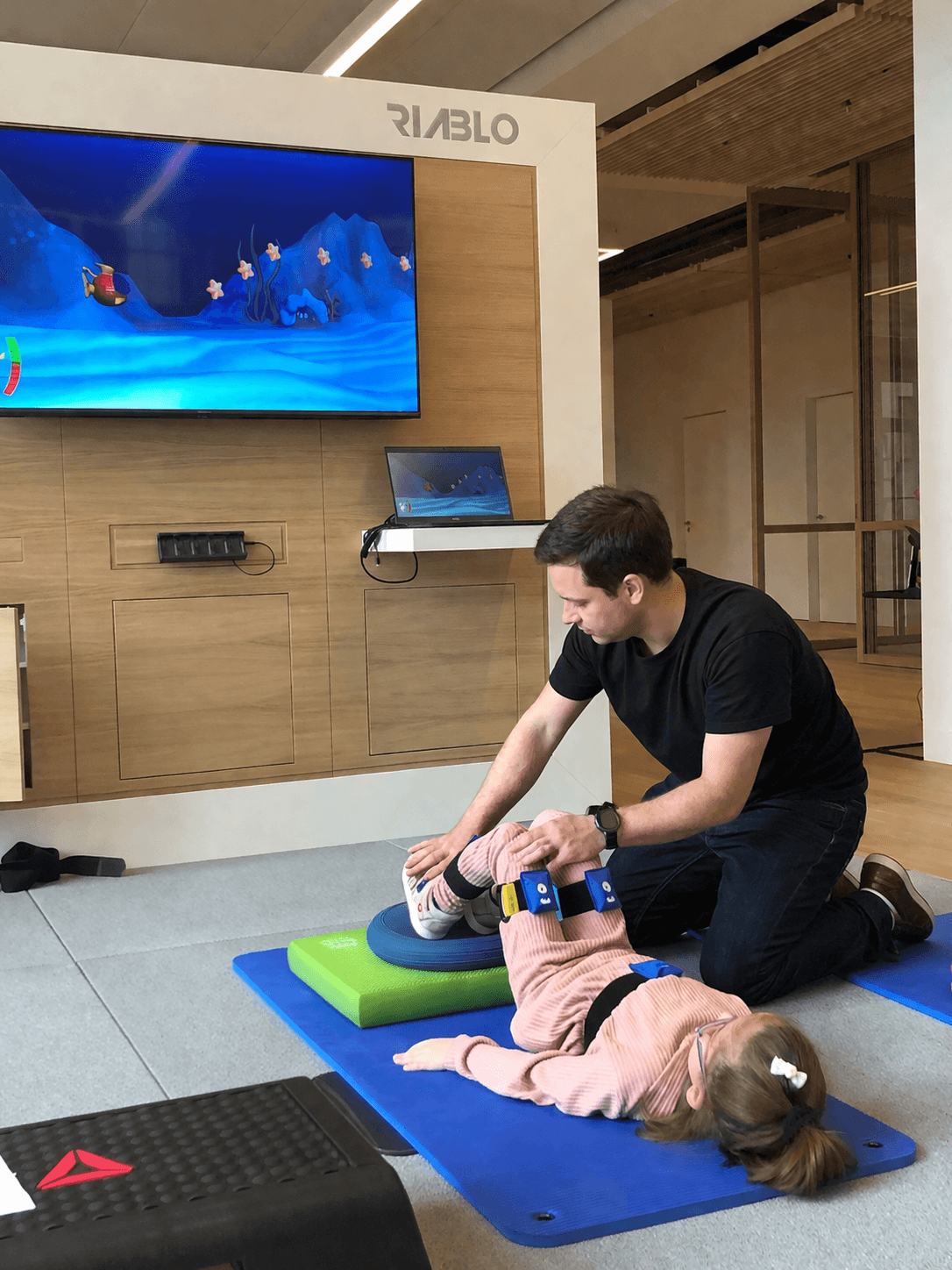
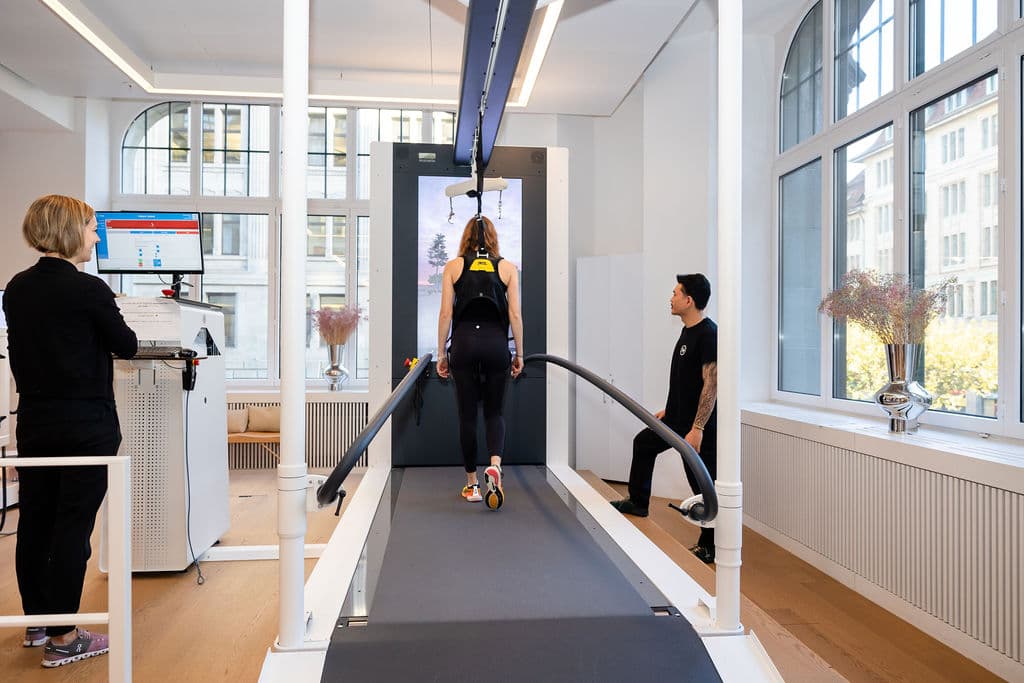
La neuroplasticidad depende de la dosis. Nuestros sistemas robóticos realizan más de 1.000 movimientos por sesión, hasta 20 veces más que la fisioterapia convencional.
La persona en su totalidad
Una lesión neurológica afecta a todas las dimensiones de la vida. Abordamos la función física, la cognición, el bienestar emocional y la participación social.
Especificidad del entrenamiento
Una neurorrehabilitación eficaz debe estar orientada a tareas concretas. Entrenamos exactamente los movimientos y las funciones que el paciente necesita recuperar, de la forma precisa en que el sistema nervioso aprende.
Empezar pronto, mantener la constancia
La neuroplasticidad es especialmente alta en las primeras semanas y meses tras un evento como un ictus, y en las primeras etapas del desarrollo infantil. Por eso empezamos tan pronto como sea clínicamente posible. En las enfermedades progresivas, e incluso años después de una lesión, una terapia específica sigue mereciendo la pena para mantener y mejorar las funciones.
Objetivos medibles
Fijamos objetivos claros, centrados en el paciente, y medimos el progreso con resultados clínicos estandarizados, que compartimos con los pacientes, las familias y los médicos derivantes.
La tecnología al servicio de la terapia
Nuestros sistemas robóticos amplían lo que los terapeutas expertos pueden lograr. No los sustituyen. Cada sesión está diseñada y supervisada por un especialista.
Start with a free assessment.
A specialist therapist discusses your situation, your goals and cost coverage with you. Book online or call us directly.